Spain’s 3rd Largest City, Valencia

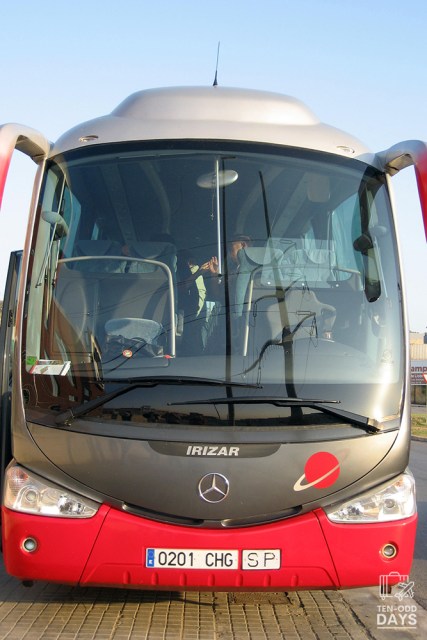
We bade farewell to Barcelona early in the day and boarded the coach that was to be our main mode of transport for the whole duration of the trip. And since our group size wasn’t very large, everyone had ample space to take two seats each. Very helpful for stretching out when needed since we were spending a lot of time on the roads tracing the lower coast of Spain.
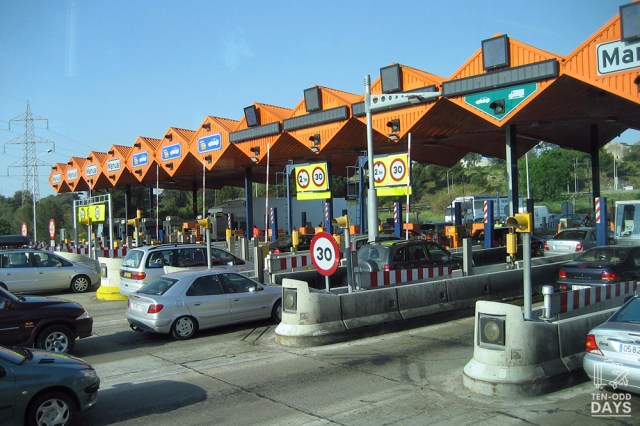
Toll booths as we were leaving region of Barcelona.
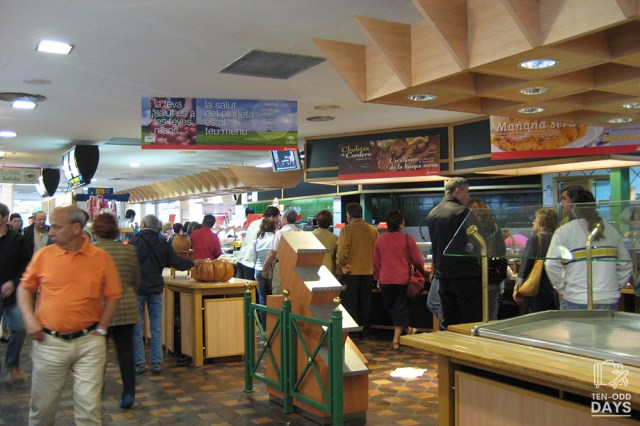
One of the many typical pit stops we made along the way.

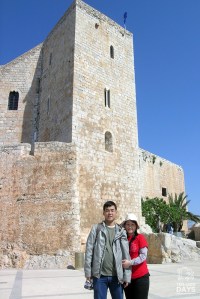
After a pit stop to relieve our bladders, we headed for Penรญscola, an ancient fortified seaport that is now part of the Valencian Community. Often called ‘Gibraltar of Valencia’, it is located along the Mediterranean Coast and a very popular tourist destination. If Penรญscola sounds familiar to you as it did to me, it is likely because you’ve heard of the annual comedy film festival that the town hosts. Either that, or you might have mixed it up with yet another place with beautiful beaches – Pensacola in Florida, United States of America. I know this because well… I did. ๐Ÿ˜†

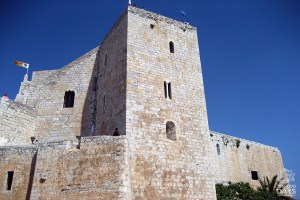
The old town of Penรญscola comprises a confusing maze of narrow winding cobbled stone streets with the castle located at the highest point of the town, at 64 square metres above mean sea level. It was built by the Knights of the Templar in the late 13th century, and since then it had undergone several minor alterations.
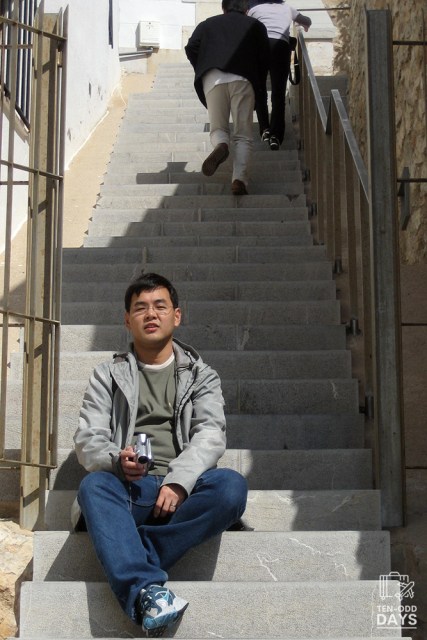
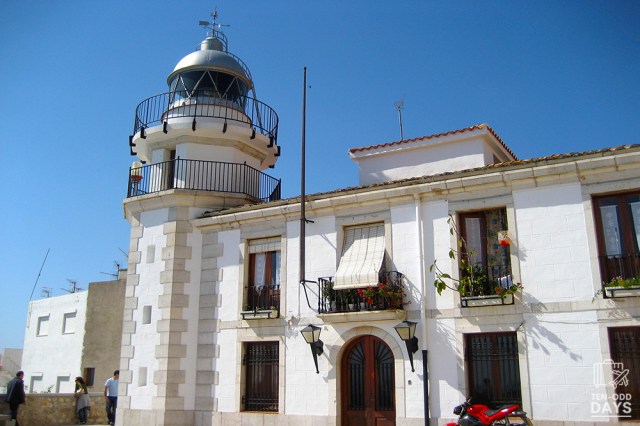
Beyond this gate and we would have officially entered the medieval town of Penรญscola.

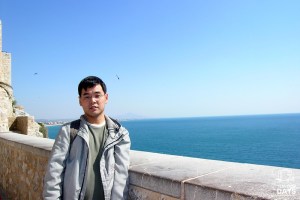
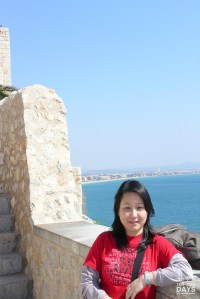
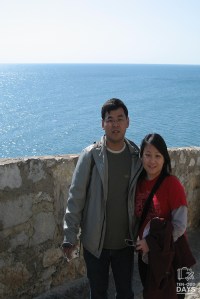
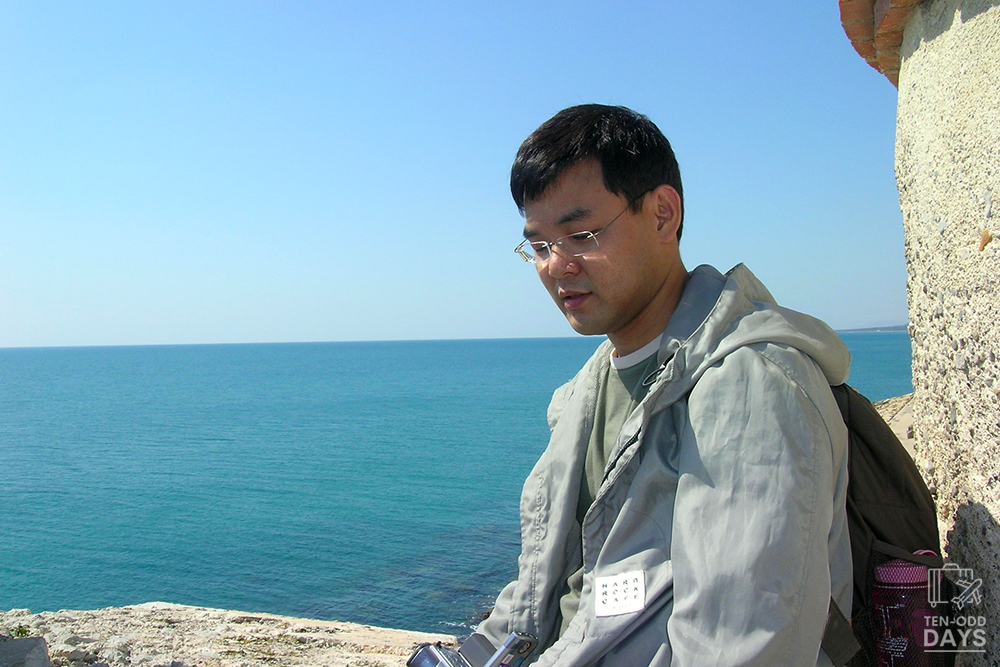
It was a gorgeous, beautiful day with cloudless blue skies as we came into close contact with the Mediterranean Sea and finally understood its enigmatic draw. Long romaticised as the destination for lovers, the many islands and coastal cities with dramatic coastlines surrounding the Mediterranean Sea are often overrun by tourists during the popular summer months. It really doesn’t help that many of these coastal cities and bigger islands are also ports of call for cruise ships (I’ll admit I am not a fan of cruise ships – they destroy the environment at least three times more severely than aircraft). In this respect, we have chosen well, to visit Penรญscola during the shoulder month of April. I felt immense relief at not having to jostle with crowds of cruise ship tourists while we explored the walled fortress.
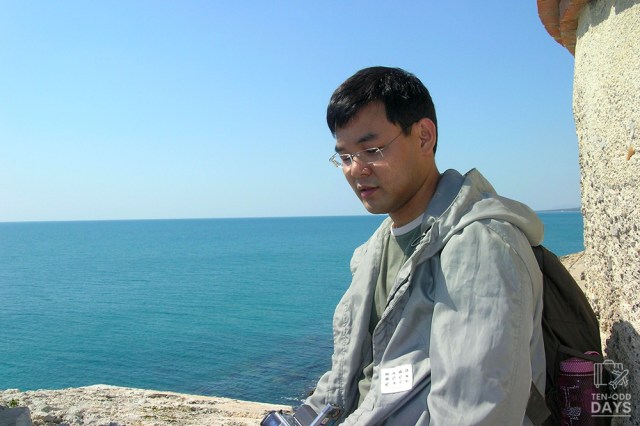
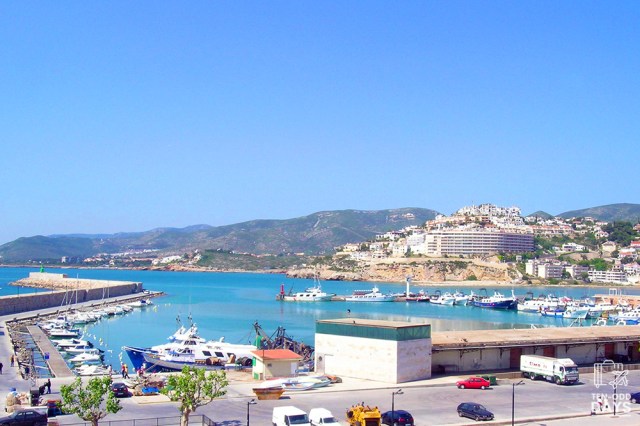
The Mediterranean Sea is indeed blue in colour. Its lacking in certain nutrients promoting growth of sea algae resulted in the signature blue and clear waters. The lack of sea algae meant that the water remains close to pure water, hence reflecting the true colour of the sky. That doesn’t really explain all of the factors why seas and oceans appear blue, but for the most part, this does explain why the Mediterranean Sea appears bluer than the rest of them.

Sadly, it won’t stay this way for long given the pollution from increased sea activity supporting tourism. Sustainable tourism is a term coined only in recent years, but one that resonates with me as we travel more widely over the years. It’s a huge topic to cover on its own so for now, I shall just leave it here as food for thought.
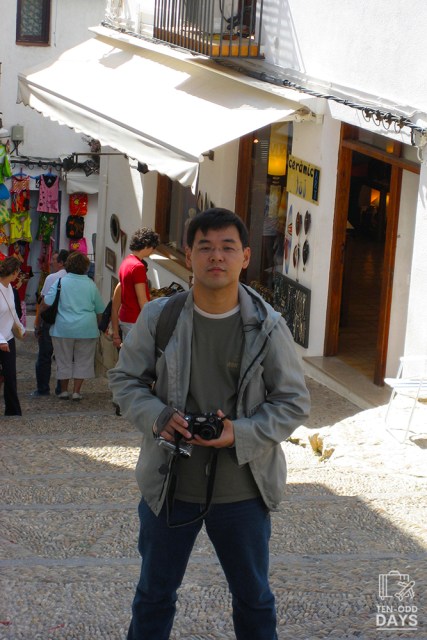
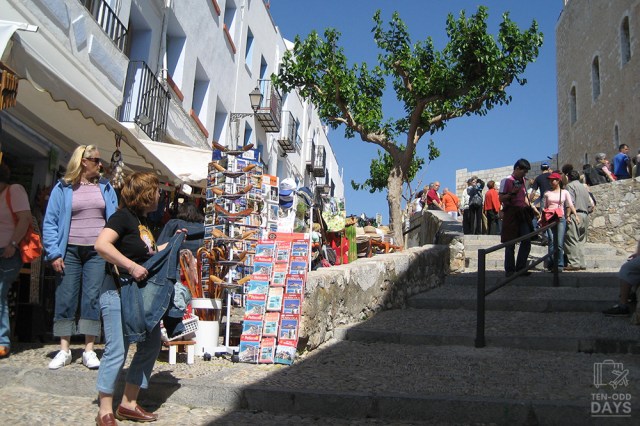
The castle is now a popular tourist attraction and the beaches and surrounding area a popular family holiday resort. The surrounding shops, I have to say, are mostly tourist traps selling run-of-the-mill souvenirs. This is unfortunately the way it has become for most, if not all popular tourist spots. Nevertheless, that did not take away the charm of the ancient town one bit. And I’m all for it if these retail activities help support the livelihood of the locals.

Around noon when the sun was getting a little too hot for comfort, we returned to our coach to seek refuge and headed for Valencia, the third largest city of Spain after Madrid and Barcelona.
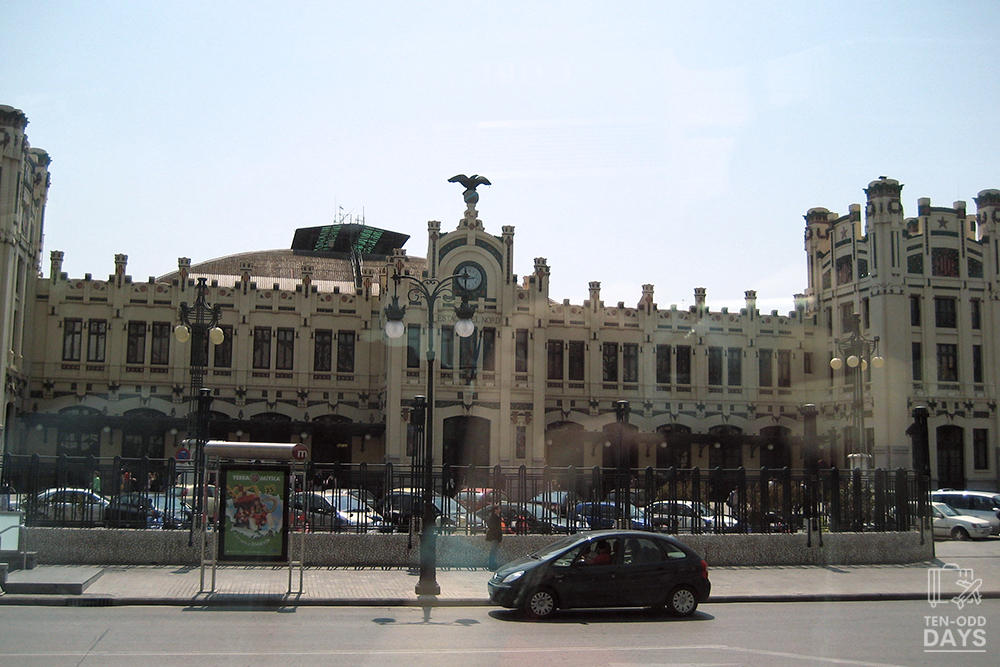
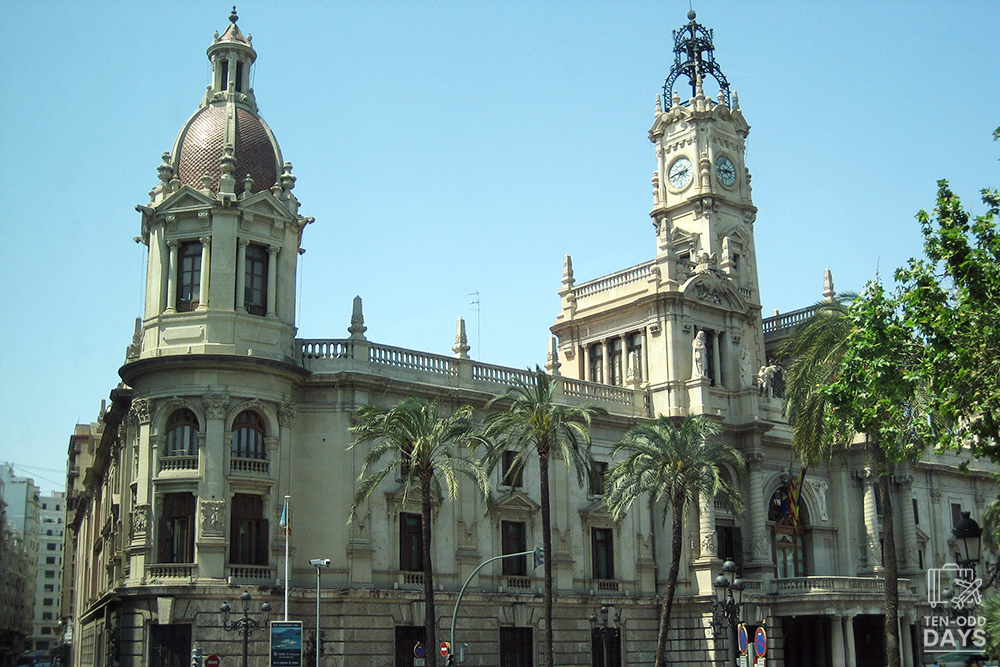
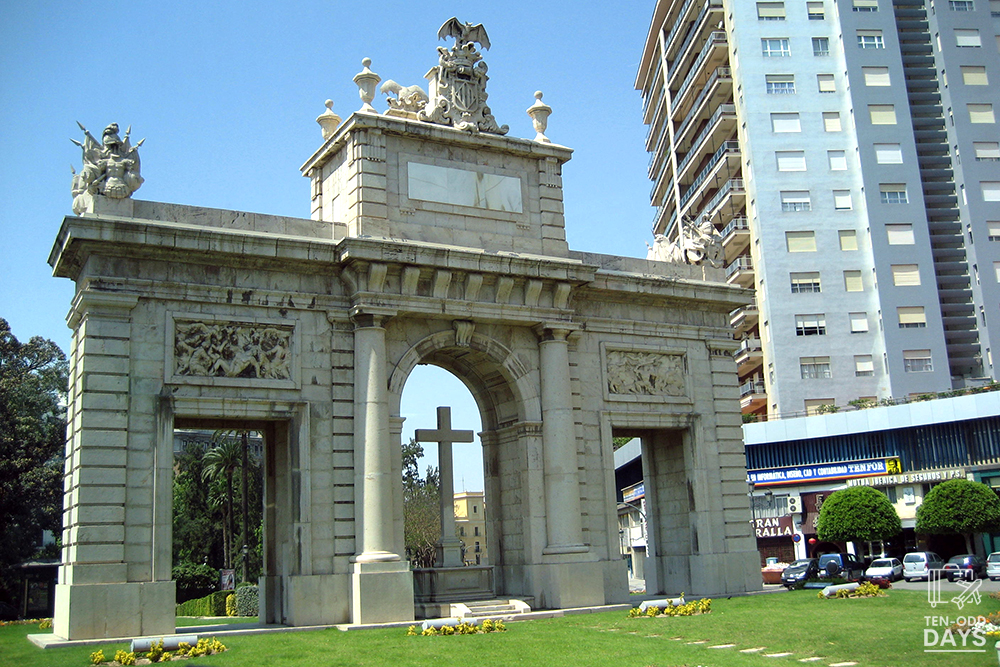
And one of the first things we did was to sight-see Valencia while in the coach. I was thoroughly impressed with the various architecture found all around the city, especially in the centre where Romanesque architecture dominated. We were driven across town to make a stop at the world famous City of Arts and Sciences.
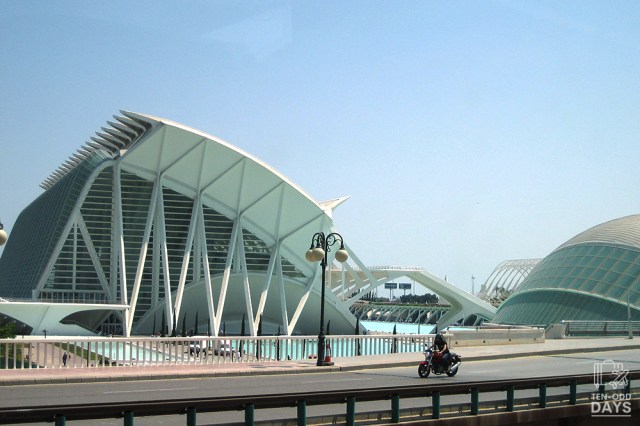
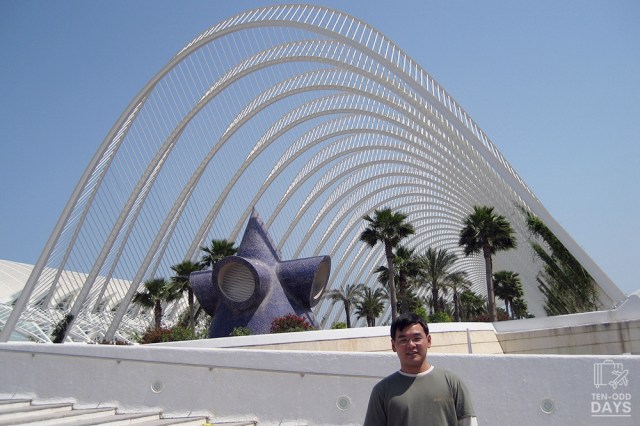
L’Umbracle at City of Arts and Sciences.

Being the most important modern tourist attraction of Valencia, the cultural and architectural jewel that is City of Arts and Sciences feature several futuristic-looking structures including one that resembles the skeleton of a whale and an open-air structure made of numerous arches encompassing plant species indigenous to the region serving as the entrance to the ‘city’. In the ‘city’ there are several museums and other interesting spaces which we unfortunately did not have enough time to explore in further detail..
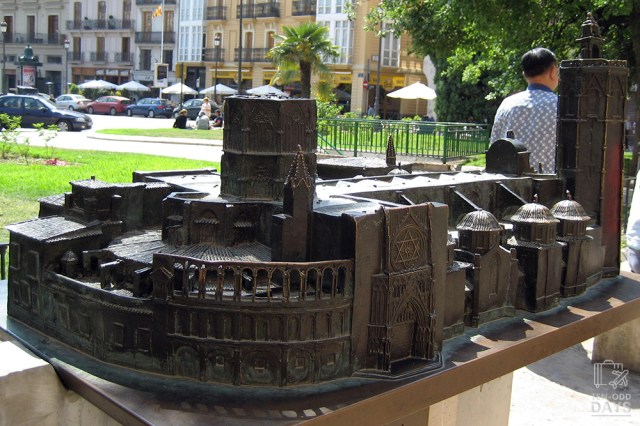
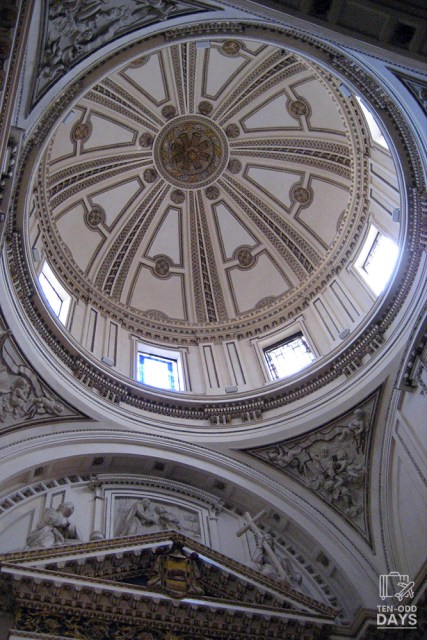
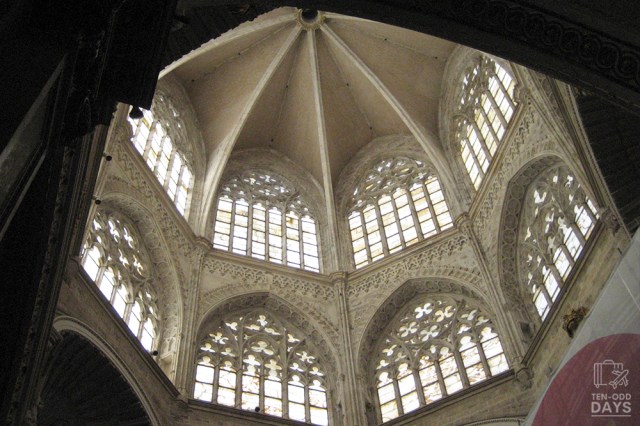
Valencia Cathedral, also known as Saint Mary’s Cathedral, was our next destination. As with most European cities, this church sits in the heart of the old town. It was consecrated in the 13th century as a Catholic Church that was built over the site of a Visigothic church, which was turned into a mosque when the Moors occupied Valencia. This church has a vastly interesting history this way, but hardly unique since we later learnt that the church in Cรณrdoba has a similar history.

Because the construction of the church was built over two centuries from the 13th to the 15th century, the structure consisted of several different artistic styles, but predominantly Gothic. While the interior does look a little like a mishmash of several architectural styles, the vast majority of visitors to the church miss this as they pay the most attention to the chapel located at the back of the church, for a very important artefact housed within.
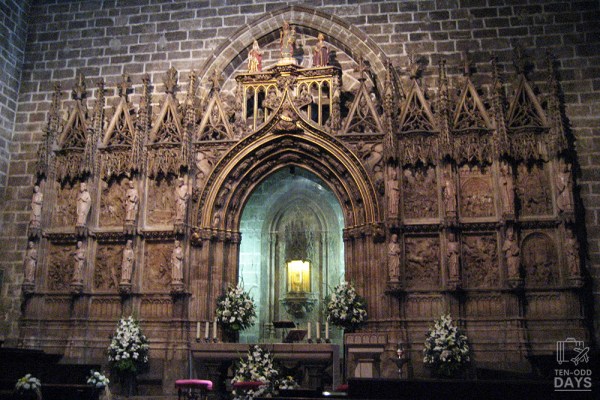
Chapel of the Holy Chalice.

From the standpoint of Roman Catholicism, the Valencia Cathedral is exceptionally important because of the rather nondescript Chapel of the Holy Chalice within the church. Or rather, what the chapel keeps behind the protective glass – the Holy Chalice, also known as the Holy Grail, believed to the cup that Jesus drank from at the Last Supper with his apostles. Religious historians cannot agree on how it travelled all the way to Valencia, and while no one can really prove that this is the authentic Holy Grail, it is probably the most famous of the several Holy Grails there are.
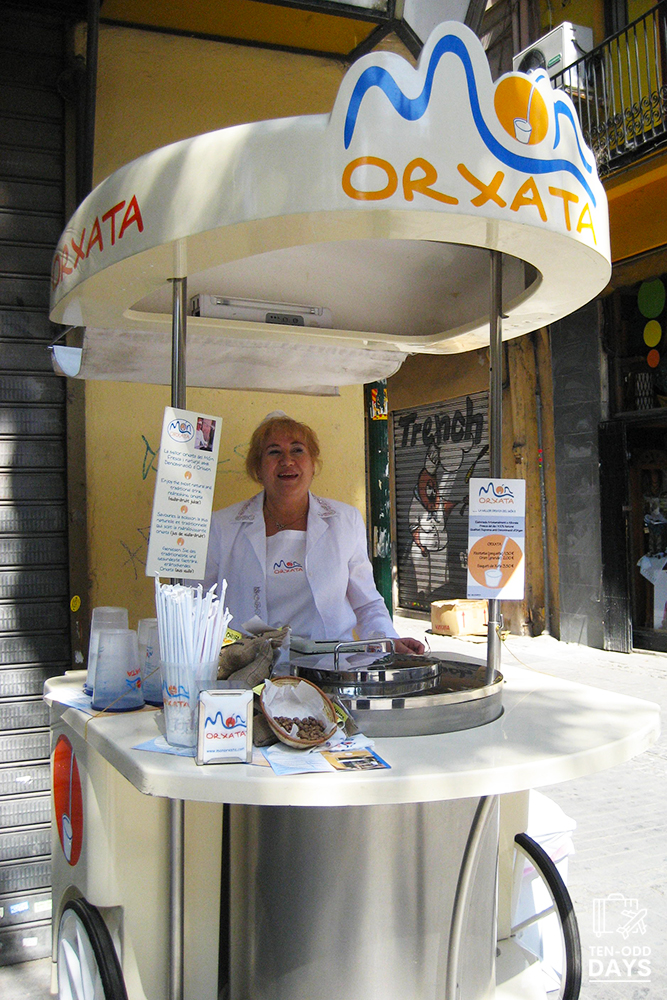
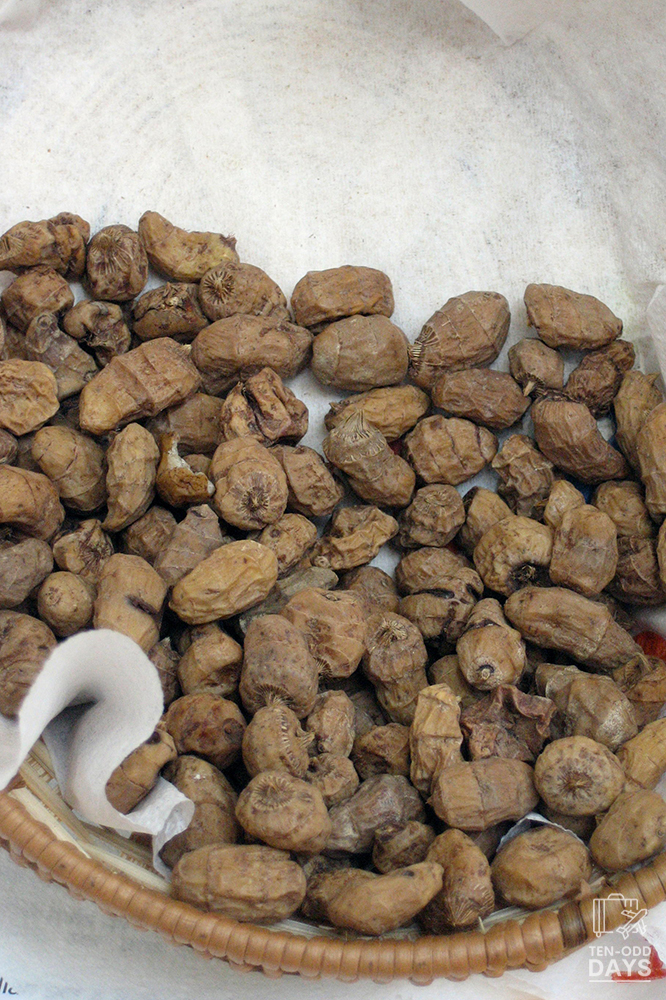
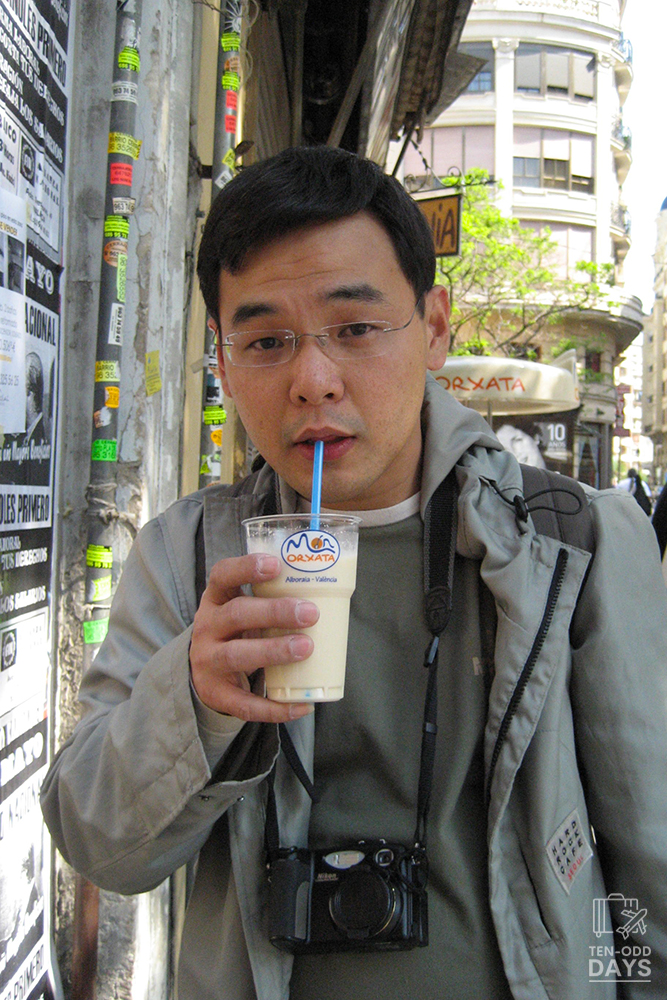
After the immensely interesting guided tour of the Valencia Cathedral, we explored the streets of the city and came across a mobile kiosk selling Orxata. Orxata, a drink made from nuts and apparently unique only to Valencia, originating as far back at the 13th century. Our group crowded around the mobile kiosk and inundated the poor Spanish lady with our orders, curious about the taste. The drink was very refreshing and to be honest, tasted just a tad like the soybean milk that I liked. A welcomed beverage given how scorching hot it was getting.
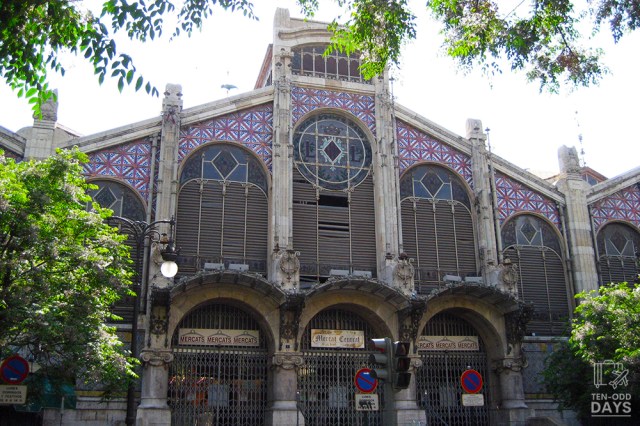
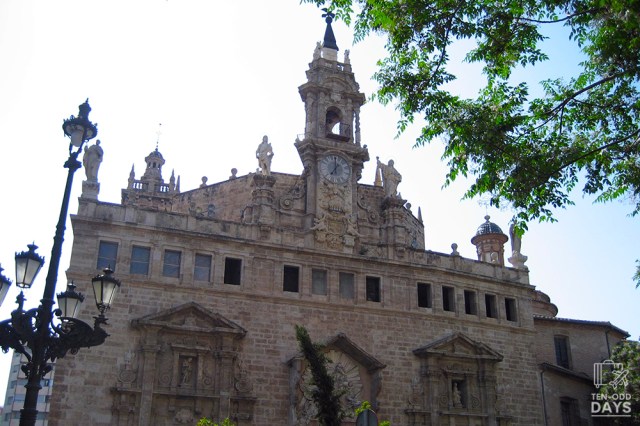
As we continued with our walking tour, we came by an impressive large building that was closed. We were told that this was the market. The Mercat Central of Valencia (Spanish: Mercat Central de Valรจncia) is claimed to be one of the biggest and oldest markets in Europe. It started out as an open-air marketplace in the 19th century and did not have a roof until 1928 when construction was completed.
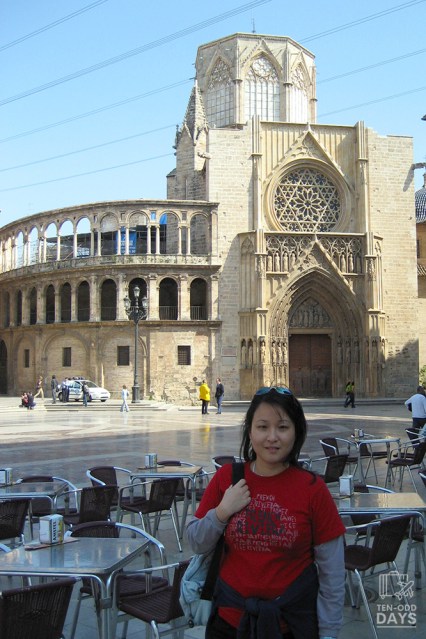
Standing across from Valencia Cathedral.
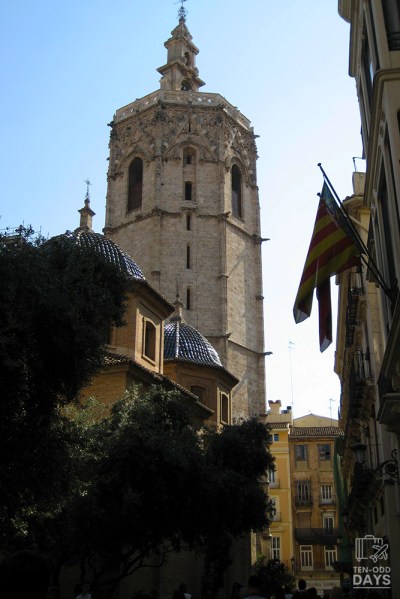
The famous El Miguelete Bell Tower.

We finally rounded up our walking tour with a view of El Miguelete Bell tower attached to the Valencia Cathedral. Like the church itself, the bell tower looked like it was designed by an architect who couldn’t decide on the style he wanted the tower to be built in. This functioning bell tower is a curious sight, for it seems to be incomplete, exposing the large bells. Indeed, the bell tower never finished construction after it was halted for some reason in the 18th century. The final phase of construction never resumed since the locals decided that they liked how the bell tower looked. And this is how this unique-looking tower comes to existence.
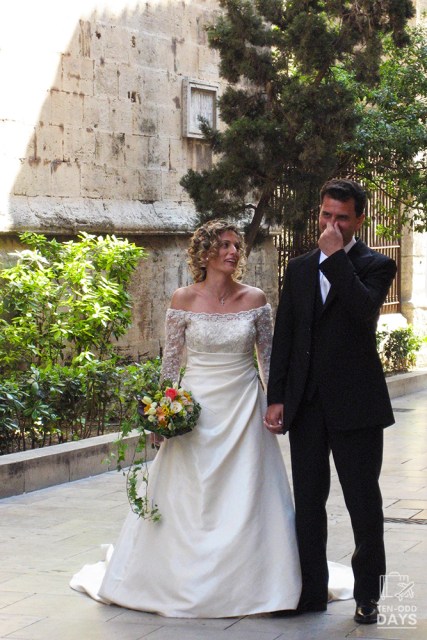
A newly-wed couple we met during our city tour around Valencia.

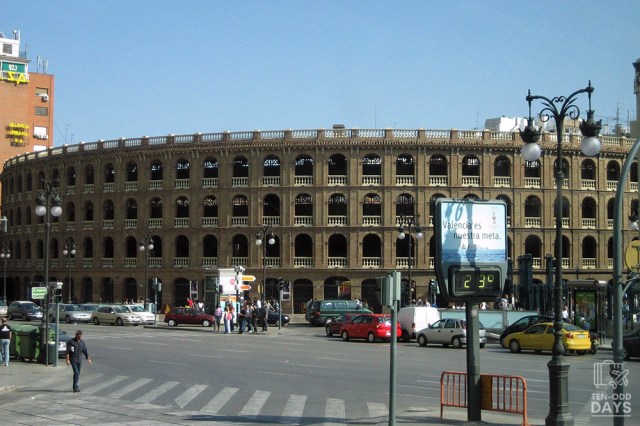
If Plaza de Toros de Valencia (officially Plaรงa de bous de Valรจncia) somewhat reminds you of the Colosseum in Rome, that’s because this bullring arena built in neoclassical style in the 1850’s did take inspiration from Rome architecture including the Colosseum and the likes. Situated almost right smack in the city centre, this arena sits over 10,000, making it one of the largest arena in Spain, making it really hard to miss.

Anyhow we passed by (several times) but a pity we didn’t get the opportunity to enter for a visit since we were on a tight schedule. In fact, that was the last landmark we saw of Valencia in daylight. We had to travel onwards to our accommodation for the night before travelling some 500km to our next destination – Granada.
Of Camp Nou & Port Vell

Having had a total of two days in Barcelona, we decided to break away from the group to explore Camp Nou and the city by our own on the second day. Though not avid fans of Futbol Club Barcelona, the soccer-loving mister felt a compelling need to pay a visit to legendary Camp Nou since we were in the very city. It meant that we had to forgo some of the sightseeing included in the package tour but between those places and the largest stadium in Europe, our choice was quite clear.

As the hotel we put up at (Hotel NH Sant Boi) is located in the outskirts, we had to brave the public bus to get ourselves to the city centre (Plaรงa d’Espanya) where we switched to the metro. It turned out to be less of a nightmare than we thought it would be. Moreover, we had a taste of how it was like to live like a typical Spaniard, even if it were just for one short day.

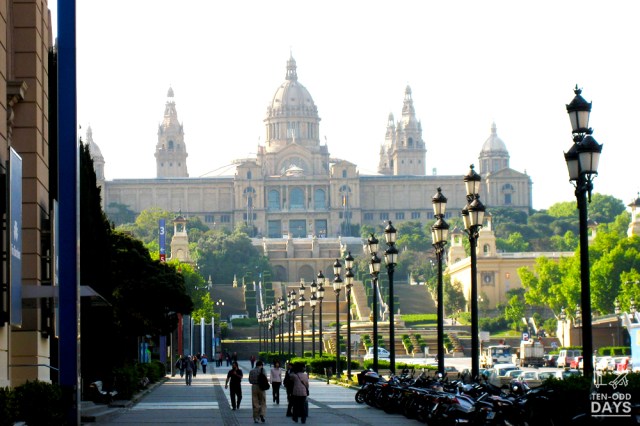
Plaรงa d’Espanya is one of the biggest and most important squares in Barcelona as the junction of several major thoroughfares. It also leads to the National Art Museum of Catalonia (in Spanish, ‘Museu Nacional d’Art de Catalunya‘), the national museum of Catalan visual art.

The imposting Museu Nacional d’Art de Catalunya

From afar, the museum building looked an imposing work inspired in the Spanish Renaissance. The lovely classicist facade especially the main dome crowned in roman style called out to us earnestly, especially to the photographer wannabe in me. Alas, with limited time to spare we simply couldn’t visit. Instead we made our way to the metro station, unable to contain our excitement at the prospect of visiting Camp Nou.

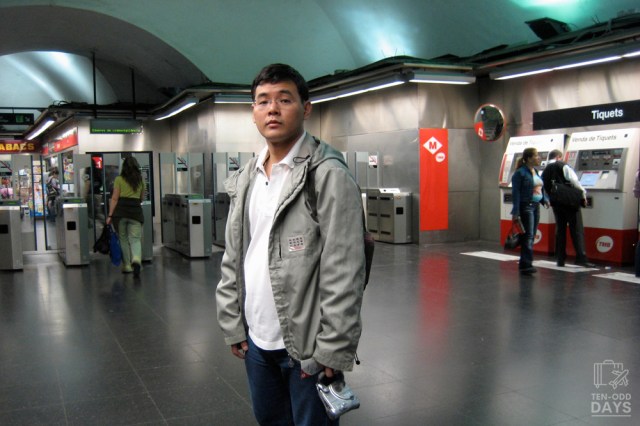
After arriving at the metro station closest to Camp Nou.

We don’t speak a word of Spanish but had little difficulty navigating our way at the metro station – from purchasing the tickets to boarding the correct train. The real challenge we faced came from asking for directions to Camp Nou after alighting at the correct metro station. As with most other major stadiums in Europe, Camp Nou was quite a walk from the metro station. When we initially asked the hotel staff for directions, they gave us precise instructions right up till the point of alighting at the correct metro station. Beyond that, they told us to ask for directions from passersby, who would be able to point us in the direction of Camp Nou.

They couldn’t be more wrong. To our (immense) surprise, the Spaniards we came by spoke little if no English at all. Many got frustrated at not understanding our repeated attempts asking for directions, and we ourselves got disheartened at not being understood. Eventually we approached a young lady manning a booth outside a mall, hoping that the younger generation spoke more of English than the officer workers. She did, but we were made to feel extremely patronised when she replied accompanied with a surly face.

As the saying goes, beggars can’t be choosers. In spite of the treatment we received, we listened attentively and managed to understand her instructions and gesturing. After politely thanking her, we were more than glad to be on our way.

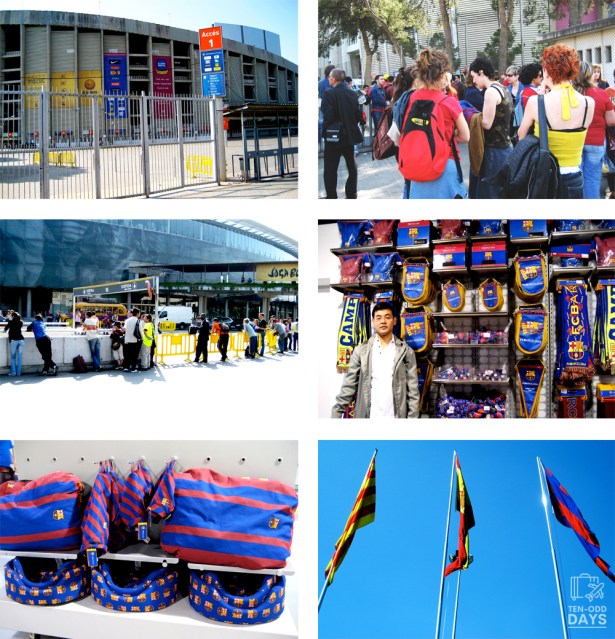
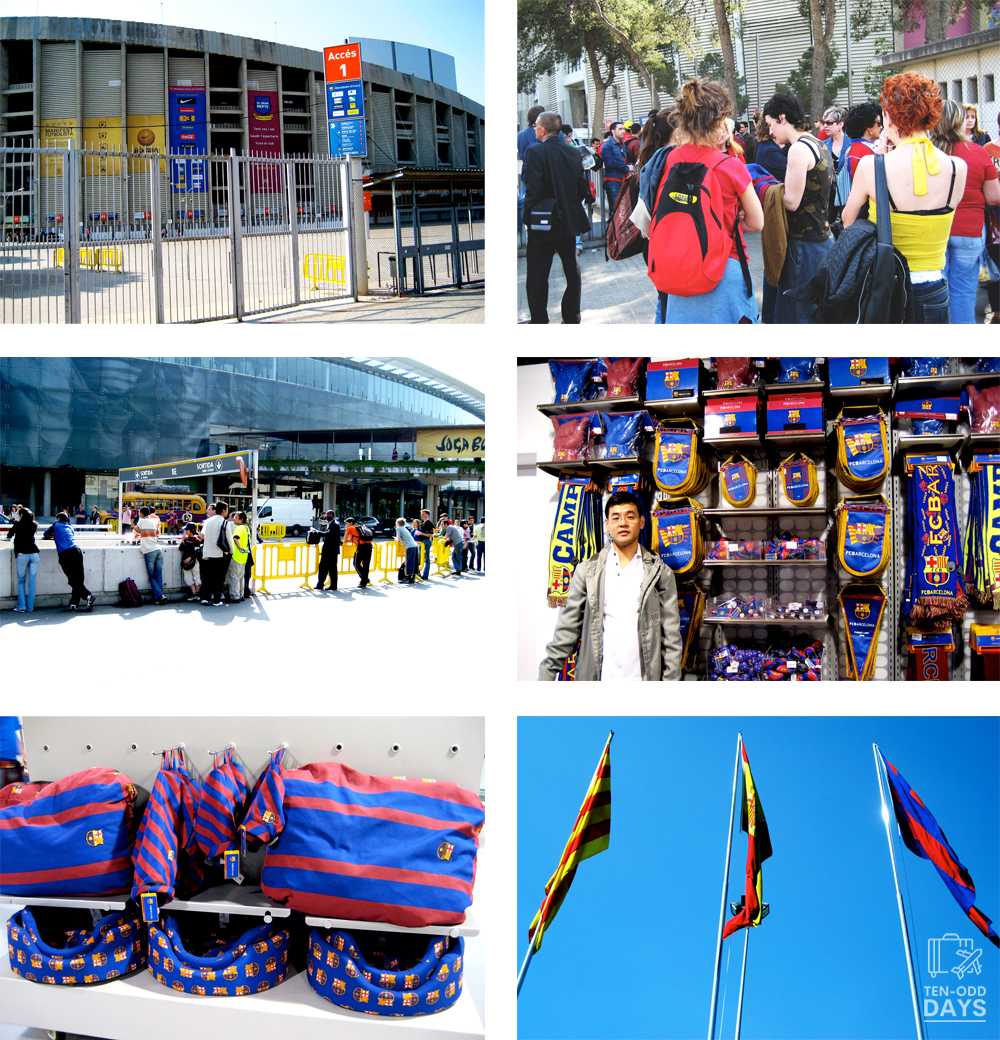
It was not a short walk. Though not physically unfit (the walk was manageable), I was getting irritable by the scorching heat. We first came upon Camp Nou from its side, and I had to agree that it looked humongous just from the side profile (has to be, since it seats almost 100,000). We explored the stadium and were most impressed with the merchandise store. Perhaps it being our first visit to a world-class soccer stadium had something to do with our awe; our eyeballs almost popped out looking at the deluge of merchandise they sold. You name it, they probably sell it.

We had to wait several hours for the tour of the stadium because the home team was having their practice. Unfortunately we couldn’t identify any of them as they drove their flashy cars into the basement car park. Not the other visitors to the stadium though, because some of them were leaning half their bodies out of the ledge trying to catch the attention of the soccer players (I worried for their safety) and screaming at the same time. Fans they must be.

After traipsing parts of the stadium grounds opened to the public, we decided to make a move. The tour was available at too late a timing; we didn’t want to sit around and do nothing in the few hours prior to it. Naturally we headed towards Central Barcelona where the shopping district and La Rambla are situated.

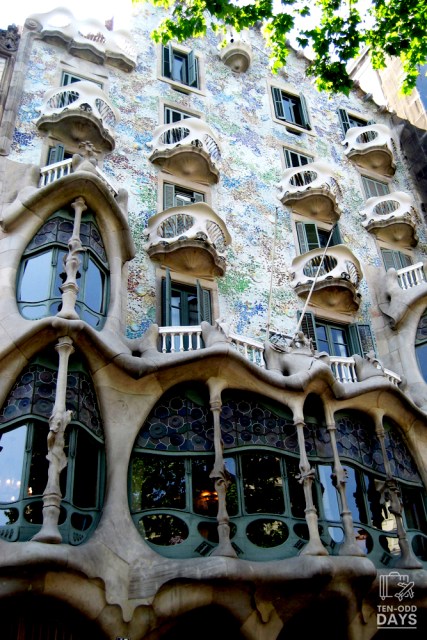
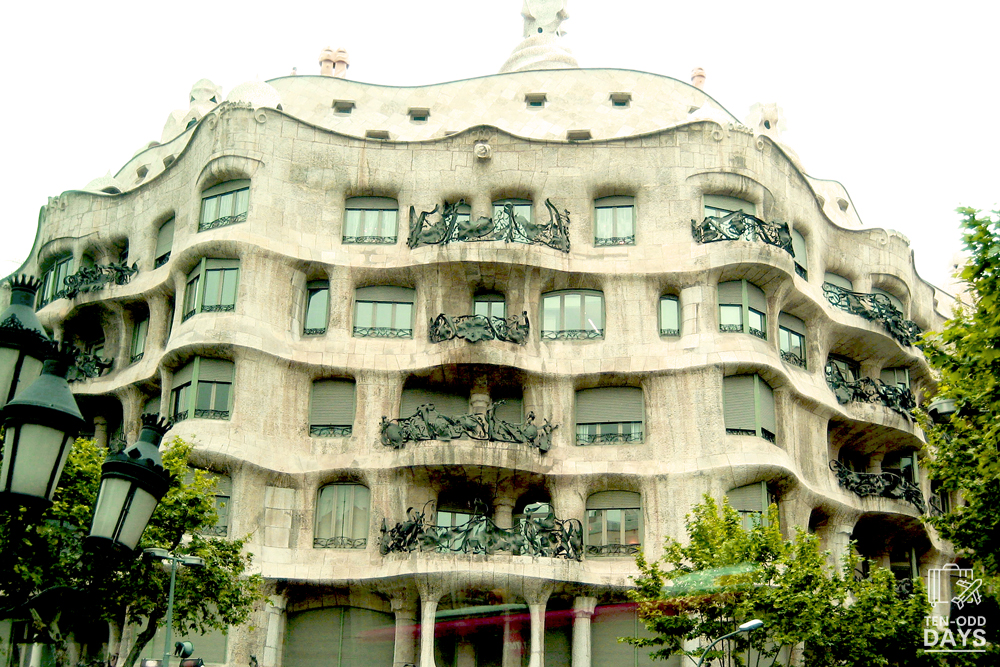
Casa Batllรณ is a stunning building!

As we were pottering around, we came upon another of Gaudรญ’s masterpiece – Casa Batllรณ. Locally it is known as House of Bones due to its visceral, skeletal organic quality. Once again we see the undulating facade that Gaudรญ seemed to favour very much. Remarkable design, and a total nightmare for the builders I presume.

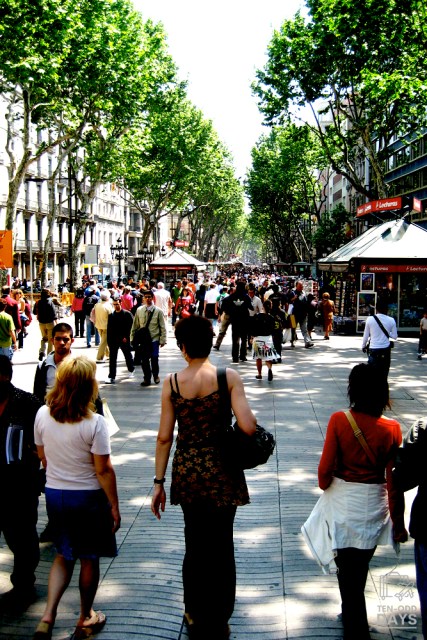
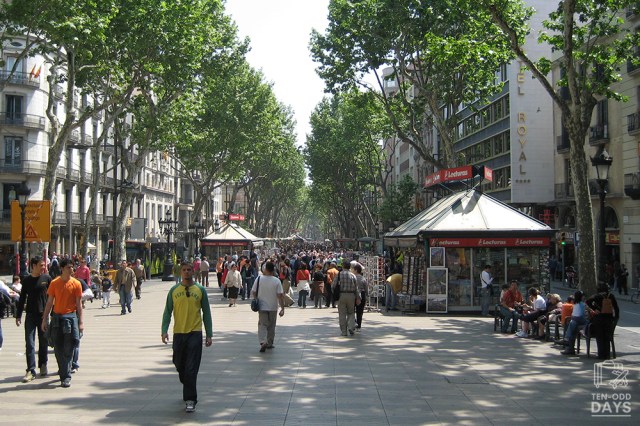
La Rambla was crowded, as expected.

By and by, we found ourselves strolling along La Rambla once again. This time, we spent lesser time on the street itself because our aim was to walk to the end of the street towards Port Vell. It was a weekday afternoon, but one most definitely couldn’t tell from the crowd along La Rambla.

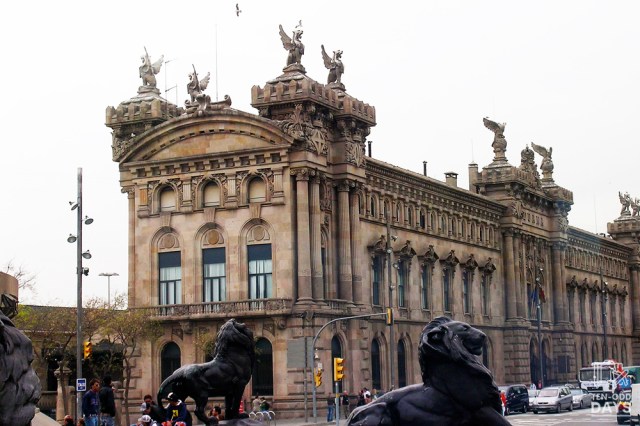
We passed by the Maritime Museum (‘Museu Marรญtim‘ in Spanish), which I heard is one of the most interesting museums about. We gave it a miss, as with most museums we came by because I would probably take half a day just browsing one museum. I’ve said it more than once that time is not a luxury while on a package tour. it didn’t help that the decision to break away from the group for a day was quite an impromptu one, hence we didn’t do any of the requisite homework we should have. If we had, we might have better managed that one day in Barcelona.

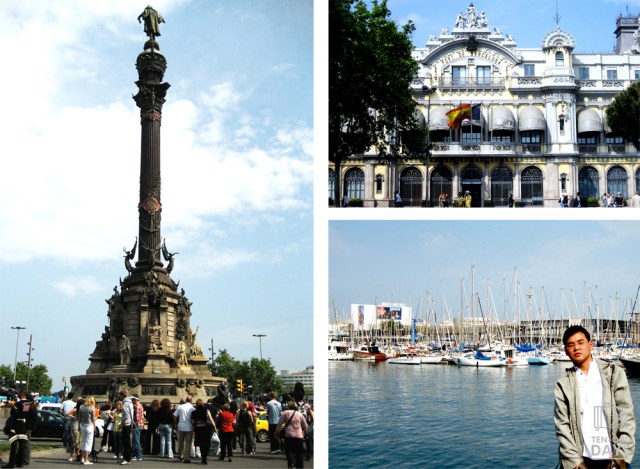
The Columbus Monument (‘Monumento a Colรณn‘ in Spanish), a 60 m tall monument stands at the site where Christopher Columbus landed in Spain after his first voyage to the Americas. It doesn’t look very apparent from the photograph, but the statue of Columbus had his right hand outstretched pointing towards The New World (as believed). Many, many tourists were crowing around the monument so it was quite an arduous task trying to get near the monument at all. We gave up eventually and simply took a picture of it across the street.

Port Vell, a waterfront harbour and part of Port of Barcelona, was a short walk away. Once a run-down area of empty warehouses, railroad yards, and factories, it underwent an urban renewal program prior to the 1992 Summer Olympics. And this is the result. We totally loved the vibrancy of the harbour. The way the warm sea breeze gently caressed our faces and the sailboats easily cascaded to the waves… reminded us a lot of home. Could be the reason why we took to the harbour immediately. Fancy us being homesick on the 2nd day of our tour. ๐Ÿ˜†

Barcelona, The City of Counts

Mention this city located on the North-Eastern coast of the Iberian Peninsula facing the Mediterranean Sea, and several images come to mind: the Port of Barcelona, La Rambla and Camp Nou. After a short and uneventful transit at Amsterdam Airport Schiphol, we landed at Barcelona El Prat Airport on a cloudy, balmy day. Almost immediately, we were whisked off to commence our tour of the City of Counts once we cleared the customs.

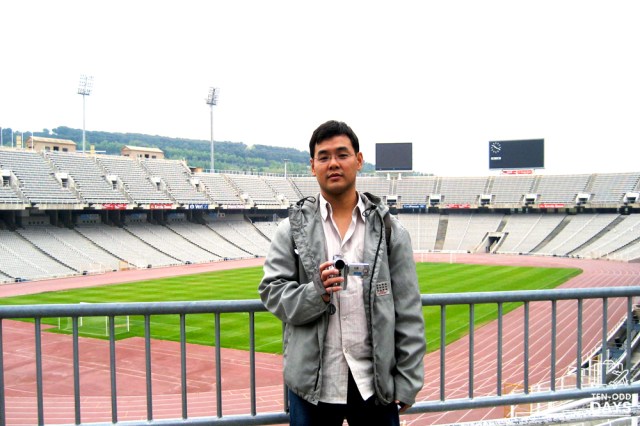
The mister still looking fresh after a long red-eye flight from home.

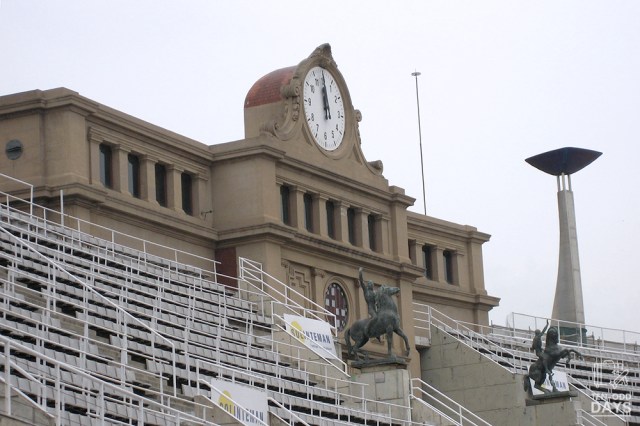
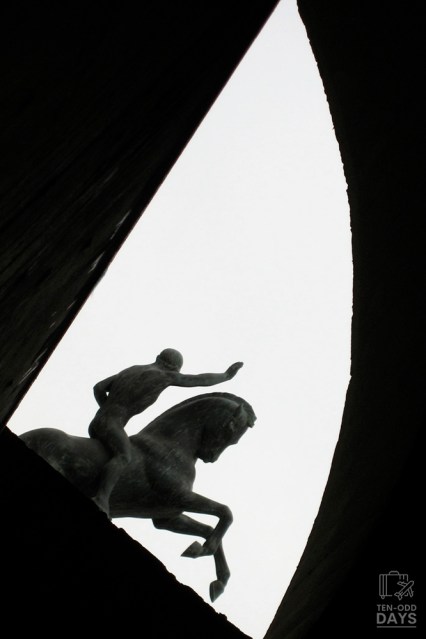
Our first stop – Barcelona Olympic Stadium (or Estadi Olรญmpic Lluรญs Companys, as renamed in 2001). The stadium was originally built in 1927, and renovated in 1989 in preparation to be the main stadium for the 1992 Summer Olympics. Today, the stadium continues to play host to some of the most important sporting events Barcelona sees. It also hosted numerous concerts held by several famous artists including Bon Jovi, Madonna, Rolling Stones and Shakira, just to name a few.

By a stroke of luck, we found the stadium to be relatively deserted. Perhaps it being mid-day had something to do with this seemingly odd phenomenon at otherwise a rather important landmark of the city. Shortly after, we were ferried to another place for more sightseeing.

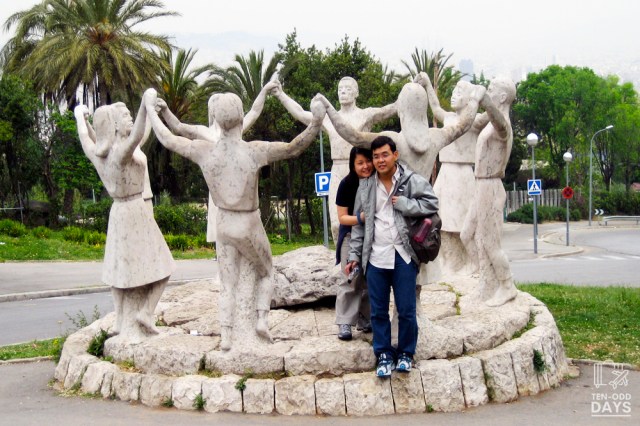
One important cultural aspect of Catalonian Barcelona is the Sardana Dance symbolising unity and pride. Circles of people join their raised hands and slowly dance round and round with small, precise steps. The circles become bigger as more people join in the dance, and eventually when the circle becomes too big, it may break into several smaller circles. Usually, all are welcomed to join but it is good to observe how to do the dance properly prior to jumping in because a wrong move could really upset the rhythm of the whole circle.

Given the significance of the Sardana Dance, little wonder that we came across a delightful monument depicting the unity dance on Montjuรฏc, a broad shallow hill with a relatively flat top overlooking the harbour, to the southwest of the city centre. The monument, known as La Sardana de Montjuรฏc, was completed by Josep Caรฑas and officially commissioned at Montjuรฏc Park in 1966.

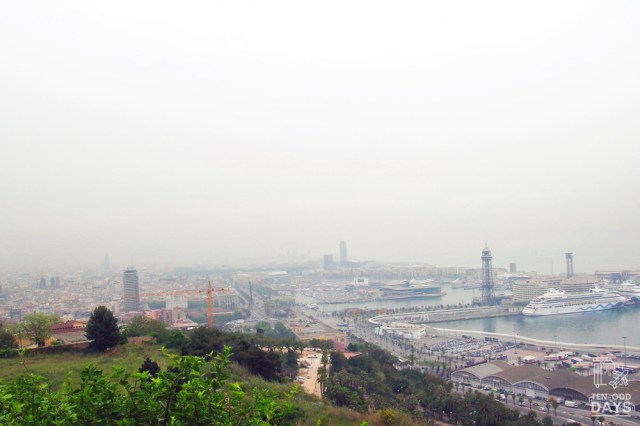
Panoramic view of the port of Barcelona.
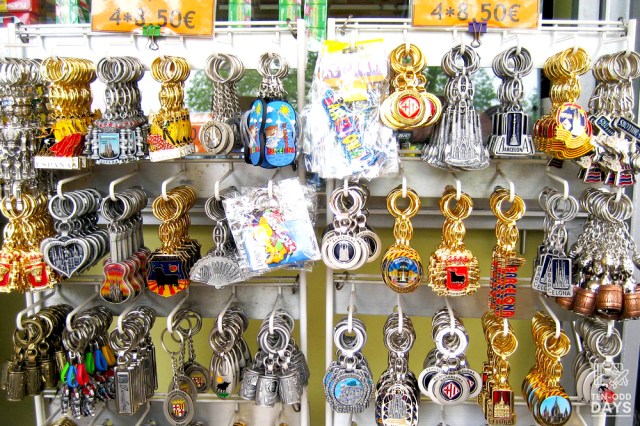
Inexpensive souvenirs for family and friends.

The monument was not the only reason why we found ourselves on Montjuรฏc. There, we were also greeted with a scenic panoramic view of Barcelona. Montjuรฏc Park seems like a must-visit for all tourists to the city because while we were there, tour buses were constantly offloading more and more tourists at the park. Apart from the view (which must look better on a clear day), the park came complete with a small cafe and mobile vendors selling keychain souvenirs. It only took us mere minutes to fulfill our responsibilities (with the requisite souvenirs) to our family and friends.

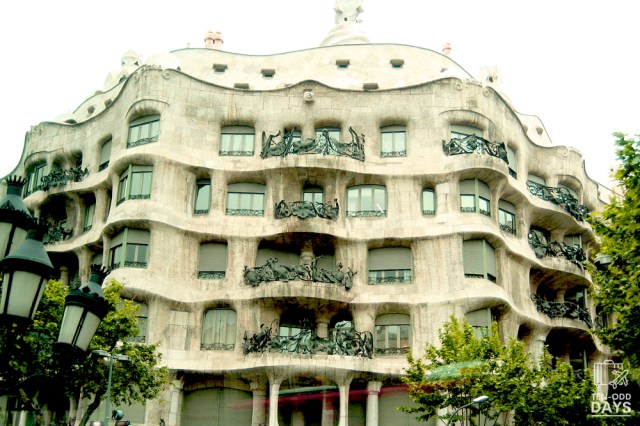
After a late lunch, we were brought around on a city tour where we saw numerous notable landmarks, in particular houses designed by Antoni Gaudรญ. Right from the start, Gaudรญ the architect thought very differently from his contemporaries. He loved nature and his designs were greatly influenced by different forms of nature. La Pedrera (or Casa Milร ) with its bold forms of the undulating stone facade is a fine example.

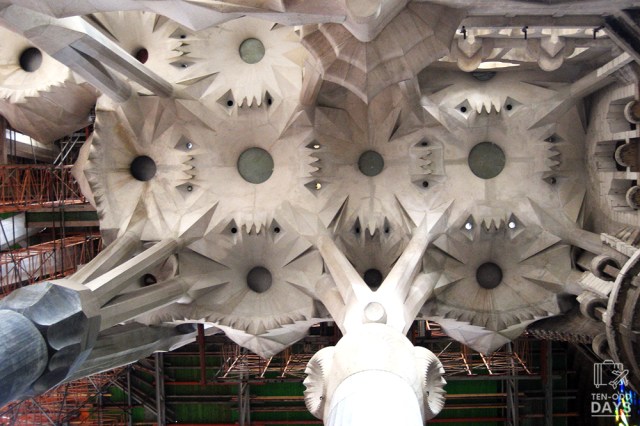
Interior ceiling depicting sunflowers.

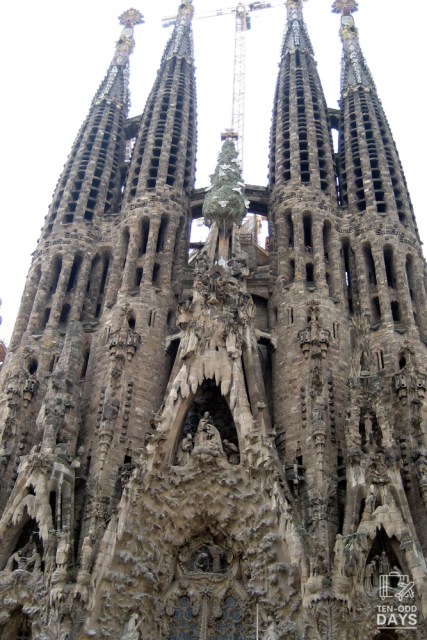
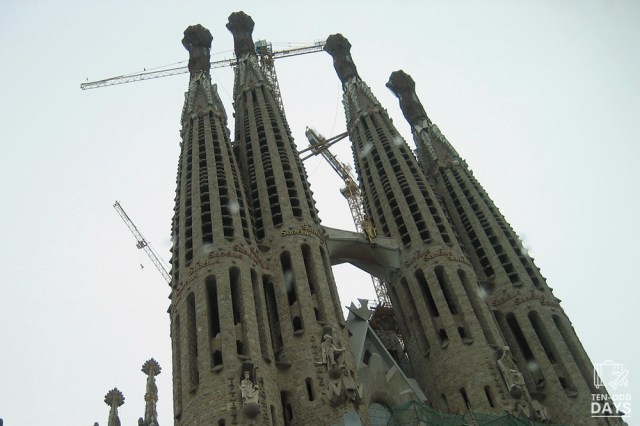
La Sagrada Familia is probably the singular most famous landmark ever to be associated with Gaudรญ and maybe even Barcelona. This large Roman Catholic Church commenced construction in 1882, and till today, is still incomplete. The construction progressed so slowly largely due to the fact that funds were coming in solely via private donations, not to mention the interruption of the Spanish Civil War. It is largely anticipated that the church will finally be completed by 2026, on the centennial of Gaudรญ’s death. Whether it can be completed on time remains much to be seen. If it does, we really should revisit Barcelona that same year, some 20 years after our first visit.

Construction of the Passion facade was still very much underway.

There are 3 grand facades to the church building – the Nativity facade to the east, the Passion facade to the west, and the Glory facade to the south. The Nativity facade was the first to be completed and directly bore most of Gaudรญ’s influence. At the time of our visit, only the Nativity facade was truly complete; both the Passion and Glory facades were still undergoing construction, especially the latter. Without a wide-angle lens, there was just no way one could take in the whole facade of the cathedral, which stood at an astounding height including the spires.

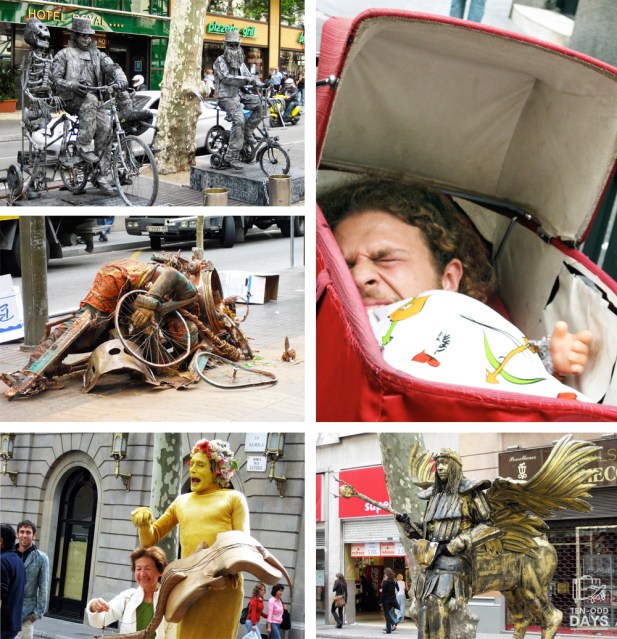
Our last stop for the day prior to dinner was a visit to La Rambla (‘Las Ramblas‘ in Spanish), a street in Central Barcelona lined with kiosks, stalls selling flowers and animals, buskers, street performers, cafes and restaurants. The promenade is therefore, a place to see and to be seen, for locals and tourists alike. However in recent years, more tourists than locals like to linger along the streets, and that has somewhat changed the character of the streets and the nature of businesses plying along the promenade considerably. Tourist crowd during the high season has also attracted many pickpockets to easy prey in the form of inattentive tourists.

Walking down La Rambla was quite an experience in itself. The street performers lining along two sides of the street were most impressive, and totally devoted to their trade. We’ve seen street performers prior to this visit, but never with such amount of vivacity and dedication. From the sheer ingenious to the downright absurd, we’ve seen it all. In fact we think we’ve seen the best here in La Rambla, Barcelona.

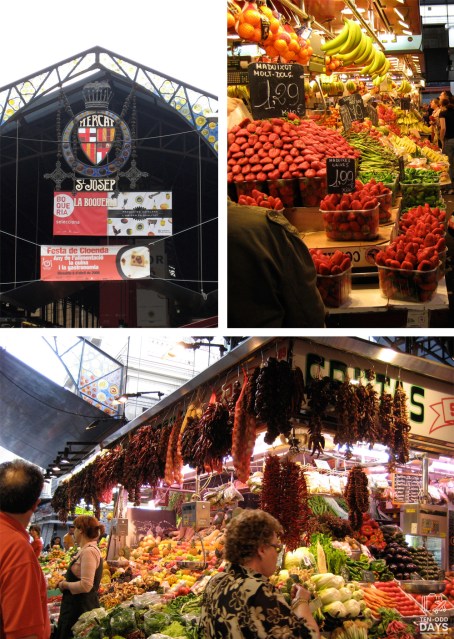
As we walked on, we came by this enthralling bazaar of sorts and decided to explore further. It turned out to be a wet market selling groceries and sweets. The surfeit of colours were so vibrant we felt like purchasing some of them, especially the fruits! Unfortunately time was not on our side. We left the bazaar after briskly walking through it and made our way back to the coach.

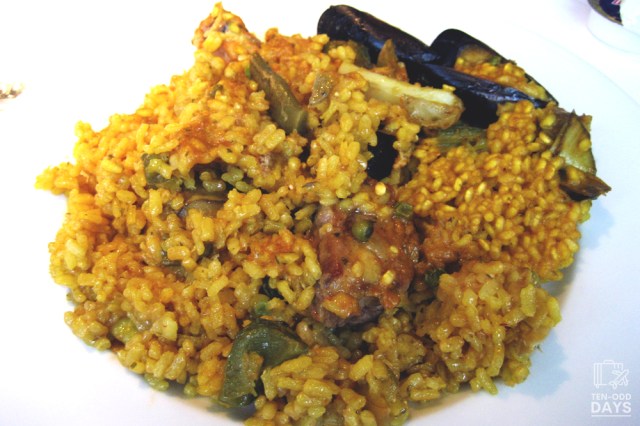
That evening, we were brought to a restaurant called Marina Moncho’s by the marina to have probably the most delicious seafood paella we’d ever eaten in our whole lives. It was our first time with paella and what a fine example it was. Never got to taste seafood paella that comes anywhere close since.

TRIVIA:
Barcelona, nicknamed the City of Counts (‘Ciutat Comtal‘ in Spanish), is the capital of Catalonia (an autonomous community of Spain) and the second largest city in Spain, after Madrid the capital. This moniker came about as sort of a commemoration to the Counts of Barcelona who took control of the city at the beginning of the 9th century. The counts became increasingly independent and expanded their territory eventually to control the whole of Catalonia. Barcelona is often erroneously abbreviated as Barรงa, which is used exclusively to refer to FC Barcelona. The locals commonly used the abbreviation ‘Barna’ instead.