My Inexplicably Strange Encounter in Fรกtima

Our schedule started early in the day, as typical of most guided tours. It didn’t matter that I was sufficiently under the weather to have taken a slow day, or skipped some locations if we were vacationing on our own. A guided tour meant that we have to move with the group, no matter what.

We saw the more important places in Lisbon, ate the world-famous Portuguese egg tarts, but only went on our way towards the highlight of the day well after noon. Yes, we were going to Fรกtima, the town of the famed Marian apparition that appeared six times before three shepherd children back in 1917.

For the uninitiated, the Blessed Virgin Mary first appeared to three shepherd children Lucia (aged 10), Francisco (aged 8) and Jacinta (aged 7) as they were tending to their flock in a pasture not far away from Fรกtima, in May 1917. In subsequent months, the Lady appeared to the children five more times, and further entrusted them with three secrets, famously known as The Three Secrets of Fรกtima. The first two secrets were released in full in 1941. The third secret, though written in 1944, was only revealed in 2000 and is shrouded in mystery. Till today, many believe that the third secret has not been revealed in full, or is false.
The two younger children Francisco and Jacinta Marto, whom had several times predicted their deaths to their mother, died in 1919 and 1920 respectively, and were beatified on 13 May 2000, on the 83rd anniversary of the first Marian apparition they saw. Lรบcia Santos, the eldest of the three children, lived the longest till the age of 97, in Feb 2005. A year later, her remains were laid to rest in the Shrine of Fรกtima. And we happened to have visited the Sanctuary of Fรกtima several months after this.

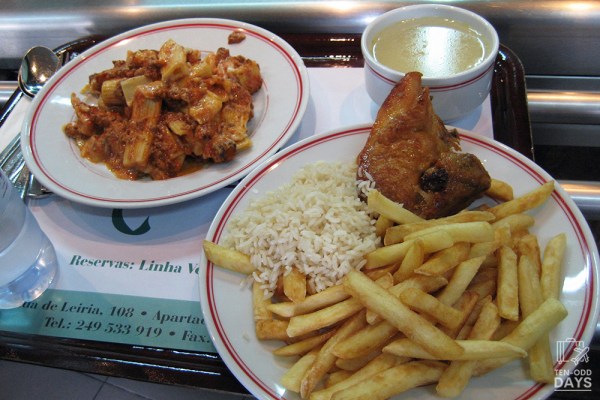
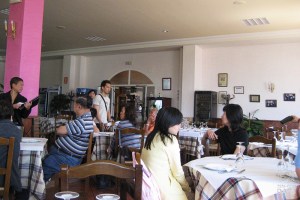
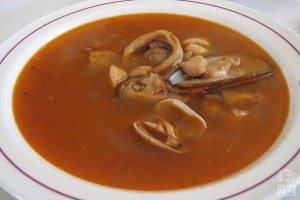
Fรกtima is used to serving large numbers of pilgrims, an average of 4 million every year, and that includes their no-frills cafeteria too. We had a simple lunch after arriving and had an interesting, lengthy discussion with our fellow tour mates about Catholicism, Christianity and the different denominations.
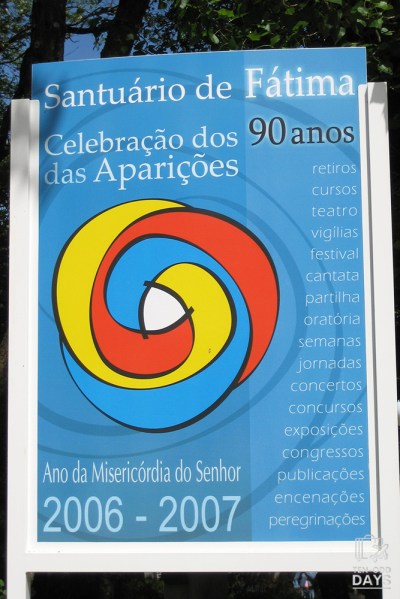
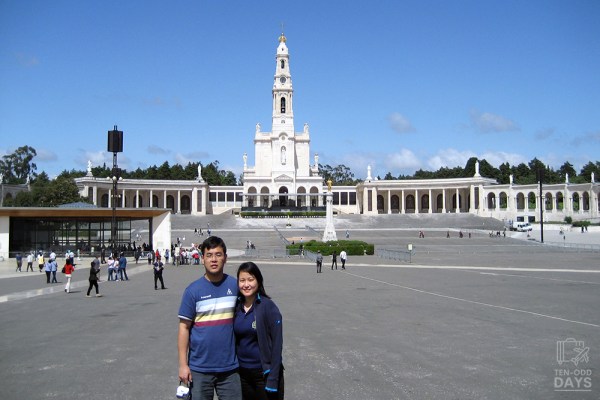
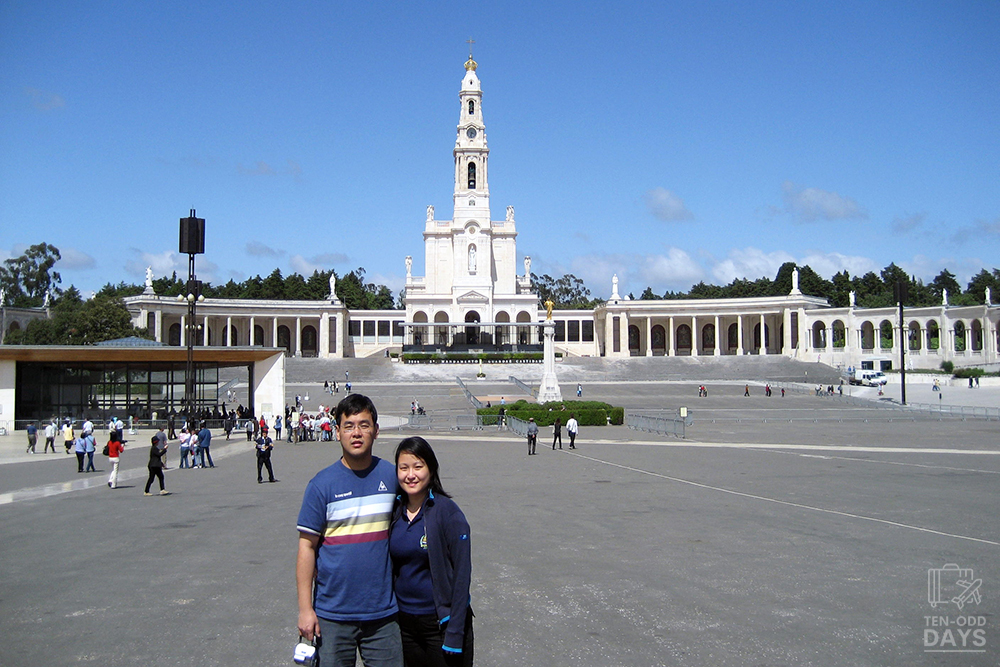
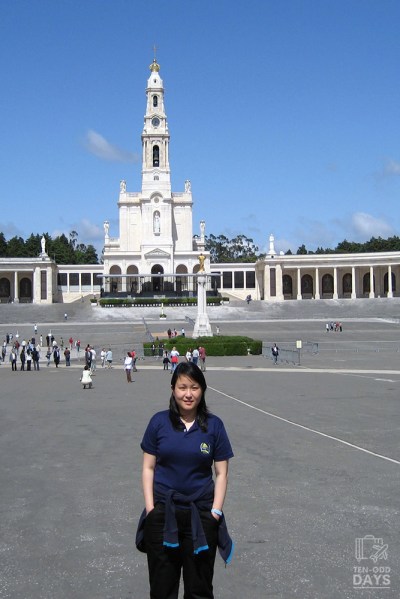
Having visited in May 2006, we happened upon the sanctuary when it was commemorating its 90th anniversary (since the first Marian apparition was recorded). And the good thing about travelling with a tour? It was fairly easy getting a fellow tour mate to take pictures of us, for us. I looked so pale. ๐Ÿ˜ฅ

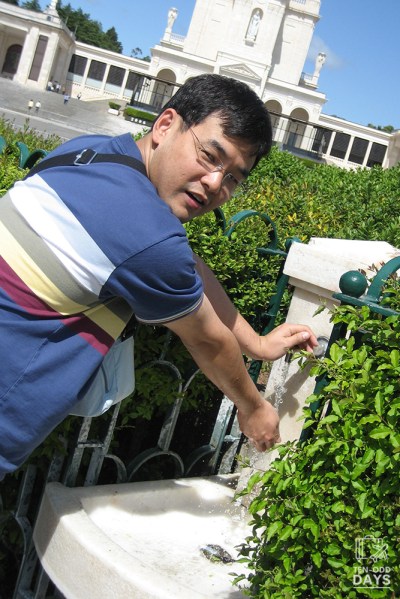
We cleansed ourselves at the Holy Water Font prior to entering the basilica, a little surprised at how cold the water was.
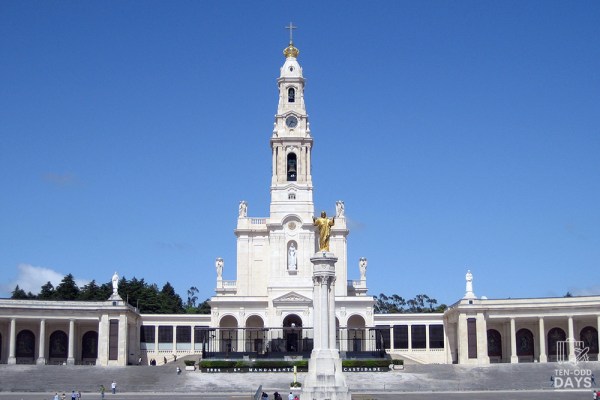
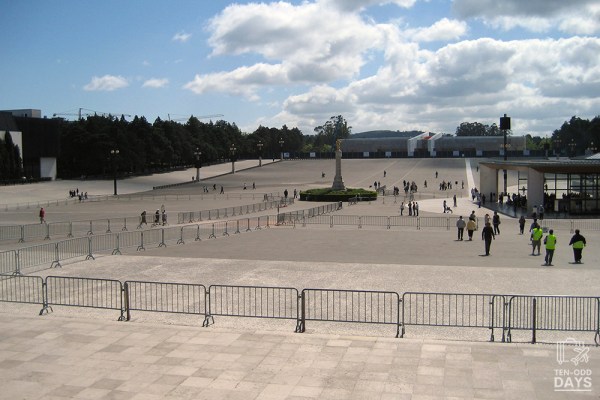
It took us quite a while to finally step foot in the Basilica and we were surprised by how cool it was inside, juxtaposed against the hot, humid weather we experienced at the plaza. And just as how quickly my cheeks sizzled to a bright red like tomatoes sitting on a barbecue grill when we were outside, my flushed face started cooling rapidly in the shade. It was almost reflective of my inner state of mind: in a turmoil versus a strange calm. At this point, it is probably important to mention that I had visited Fรกtima in a disturbed state of mind, having had a lot on my mind. And of course, I was also having a cold.

I took time for my eyes to adjust to the darkness (it was in fact much darker than what was shown in the photograph below). When I was ready, I genuflected at the end of the centre aisle before proceeding slowly towards the altar ahead, in awe of the calm and peace washing over me.
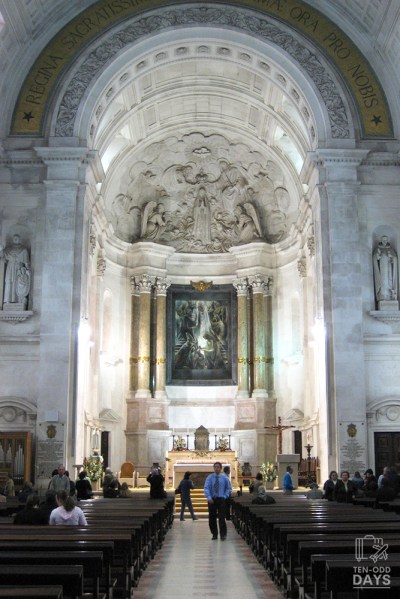
As I was approaching the altar, an elderly, stooping lady I assessed to be of Eastern European descent was headed towards me, in the opposite direction. Under normal circumstances, I would have moved to the right to allow her passage but I was arrested by the kindness I saw in her cloudy greyish-blue eyes. And understanding. She reminded me so much of my late grandmother (she was truly quite a figure to fathom with: very mean to her daughters-in-law but I was the apple of her eye) whom I missed so much.

Instead of walking on, I halted on the spot, with the mister standing right behind me. The elderly lady continued to approach, stopped in front of me, and then lifted her hand to caress my cheek adoringly. It took me completely by surprise and I couldn’t recover quickly enough to react to her motherly gesture. She gave me a smile, and then went on her way.

When we could finally find our voice again, the mister commented, ‘Maybe she has never seen an Asian before?’

I shook my head. That wouldn’t explain the elderly lady’s queer behaviour. Furthermore, this is Fรกtima, a world renown Catholic pilgrimage site where there are no lack of Asian faces amongst pilgrims hailing from all around the world. I won’t go as far to say that it was a spiritual encounter, and it wasn’t so amazing as to cure my cold instantaneously… but it was definitely strange. Very few cultures in the world actually sanction touching a stranger’s face, or am I wrong?
This encounter weighed heavily on my heart long after we left Fรกtima. Some years later, I signed up for RCIA to complete my spiritual journey. I once shared with the Brother in charge of our RCIA journey about my unique experience in Fรกtima and after some contemplation, he gave me a new perspective that was food for thought. He said, perhaps the elderly lady was an angel sent by my grandmother to comfort me in my time of need.

Whatever it was, this inexplicably strange encounter played a key role in my decision to return to the Church. And because of this, Fรกtima shall forever be a very special place for me, spiritually.

TRIVIA:
What exactly are The Three Secrets of Fรกtima that the three Portuguese children were entrusted with in 1917?

According to the Vatican’s website, the first secret directly referenced to the frightening vision of hell where ‘Our Lady showed us a great sea of fire which seemed to be under the earth. Plunged in this fire were demons and souls in human form, like transparent burning embers, all blackened or burnished bronze, floating about in the conflagration, now raised into the air by the flames that issued from within themselves together with great clouds of smoke, now falling back on every side like sparks in a huge fire, without weight or equilibrium, and amid shrieks and groans of pain and despair, which horrified us and made us tremble with fear…’.

In direct response to the fear incited by the first secret, devotion to the Immaculate Heart of Mary was necessary to save the souls of poor sinners otherwise destined for hell. There were also references to the end of WWI and how a worse war would occur (WWII) during the reign of Pope Pius XI should men continue not doing God’s Will and Russian not convert. That was the second secret.

The third secret was recorded, sealed and revealed amidst controversy. Sister Lucia, the last of the three children still alive, fell seriously ill in 1943. It was suggested that she recorded down the third secret (which she never revealed) in the event of her death but she was two-minded about it since she was told not to reveal the secret at the time it she received it. In Jan 1944, Sister Lucia was ordered to record it down and kept safe in a sealed envelope, and eventually sent to Rome for safekeeping in 1957. It was eventually revealed and read in Rome in Jun 2000, which sparked another heated argument (as to why it was revealed in Rome and not Fรกtima, where the event occurred). Although different interpretations of the secret exist, it summarily revealed the vision of the Pope, together with his priests and laypersons being attacked by soldiers. Some say it alluded to the assassination attempt on Pope John Paul I in 1981. Some fanatics claimed that the there was a fourth secret in the sealed envelope involving information on the end of the world that was withheld by the Vatican.

The Confusing Existence of Gibraltar

Onward to the rock fortress of Gibraltar! It’s really confusing, because while being located on the southernmost tip of the Iberian Peninsula, of Spain, it is under British control. What? Yes, that was my reaction too.

In essence, Gibraltar is one of the fourteen remaining British Overseas Territories, remnants of the British Empire. With an area of 6.7 sq kilometres and home to slightly over 32,000 persons, it is a mere 1% of the size of Madrid, the largest city of Spain.

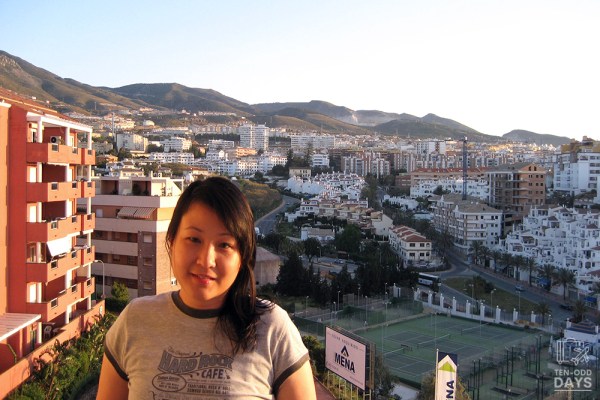
A parting shot in Torremolinos before moving south to Gibraltar.
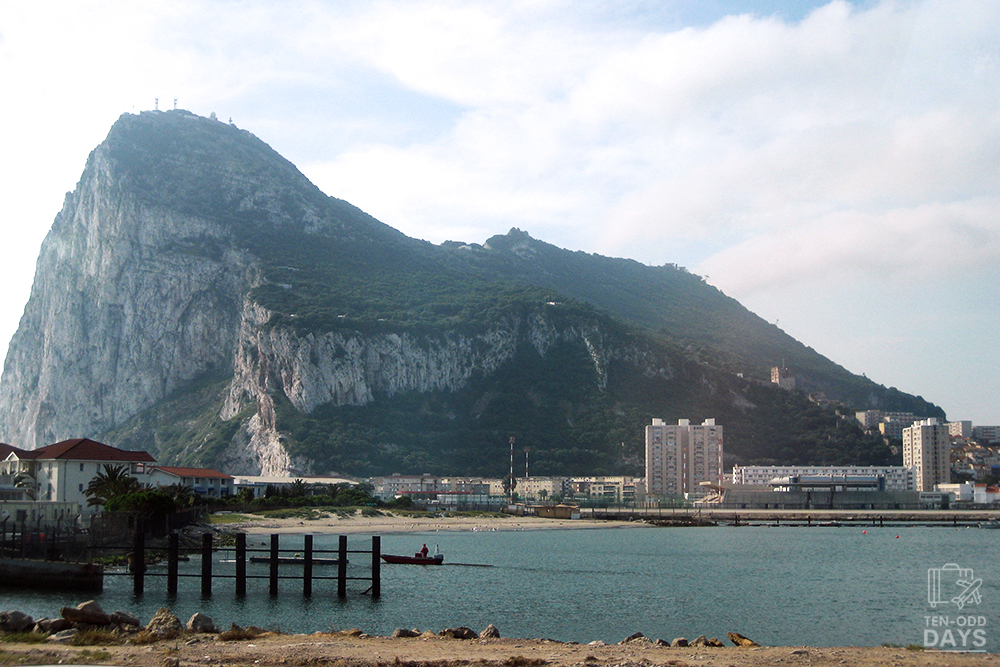
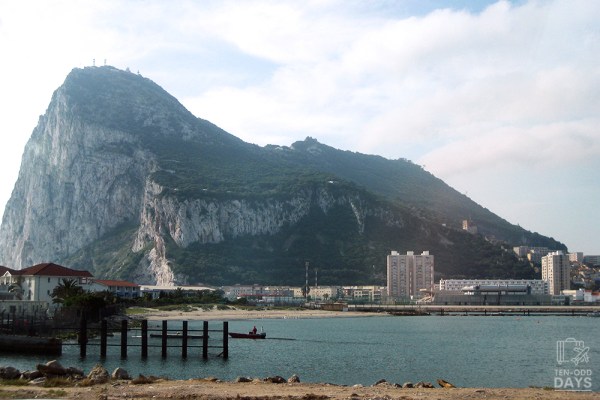
The famed monolithic Rock of Gibraltar.

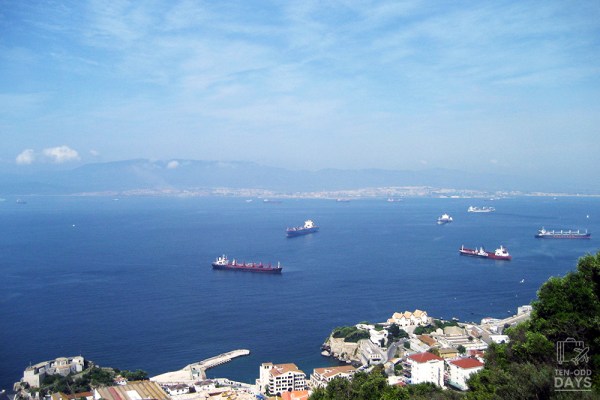
As our coach made way into Gibraltar, we saw the imposing presence of the limestone monolith that, legend has it, marks one end of the limit to the known world (the other end being Jebel Musa, on the opposite side of the Strait of Gibraltar).

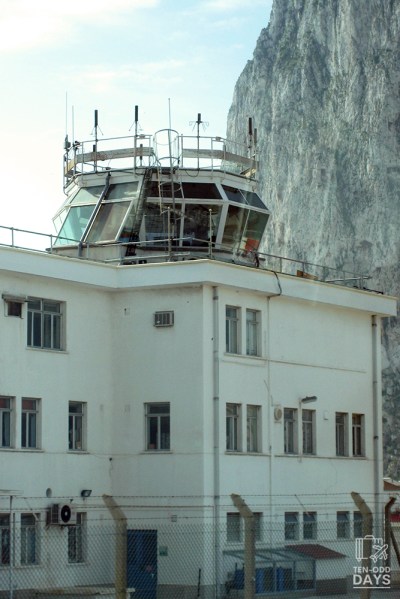
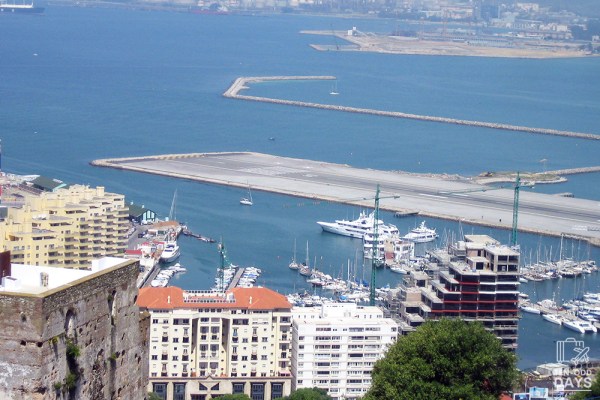
Gibraltar has only one main street, and it runs through the only runway the small airport has jurisdiction over. Yes, you read it right, it runs across the runway. Very strange and it made me very nervous, considering how runway incursion is a massive bane of any aerodrome controller’s life.

Turns out everyone who drives into and out of Gibraltar are very used to this arrangement, where vehicular traffic have to halt before barriers and red lights, to allow aircraft to take-off or land. It isn’t too much of a hassle, since the airport sees only about a total of 30 flights per week but that is expected to rise exponentially over the years. I hope they have a better arrangement by then.

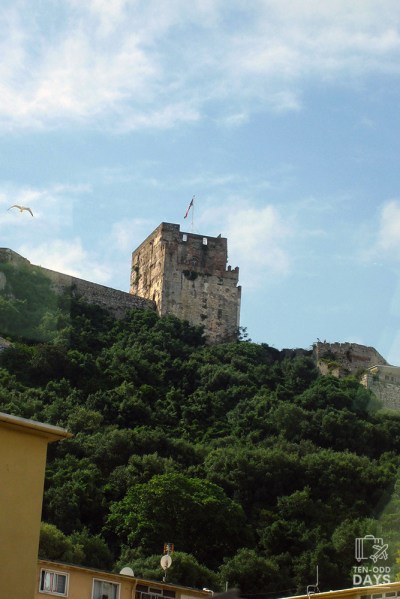
The ancient Moorish Castle purported to be built in the 8th century.

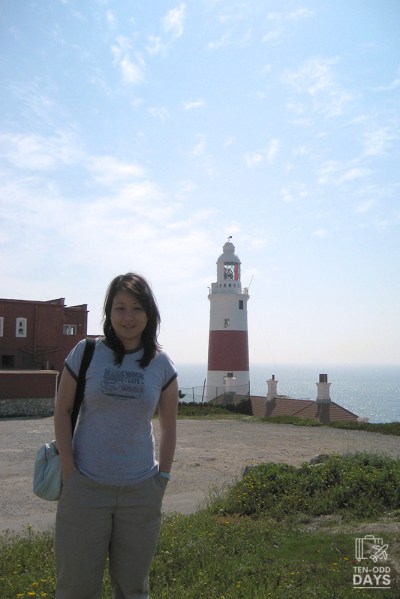
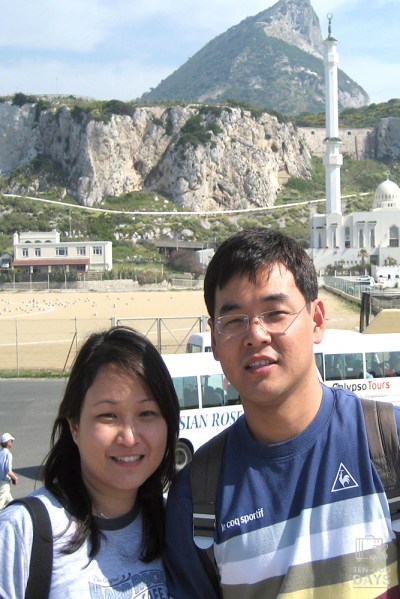
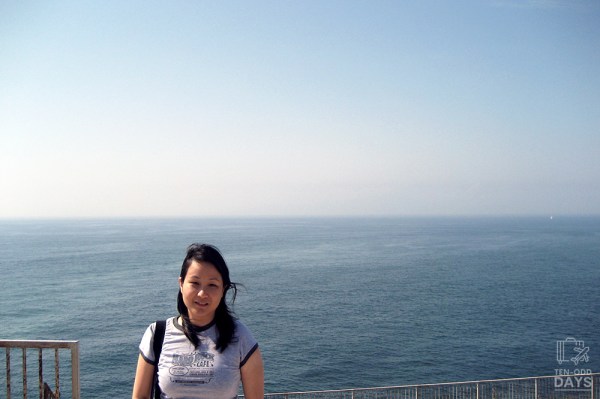
Right away, we were all whisked to Europa Point, located at the most southerly point of Gibraltar, in hope of having a glimpse of Morocco. Alas, it was too hazy over the waters. We were sorely disappointed but it was alright, there were other sights to see at the viewpoint like the lighthouse, the Harding’s Battery, a mosque and a shrine.

On a clear day, one can see as far as Morocco across the Strait of Gibraltar.

Europa Point is only this large; it didn’t take us all too long to explore the area thoroughly so our tour continued to Upper Rock Nature Reserve. (Update : the name has since been changed to Gibraltar Nature Reserve in 2013).

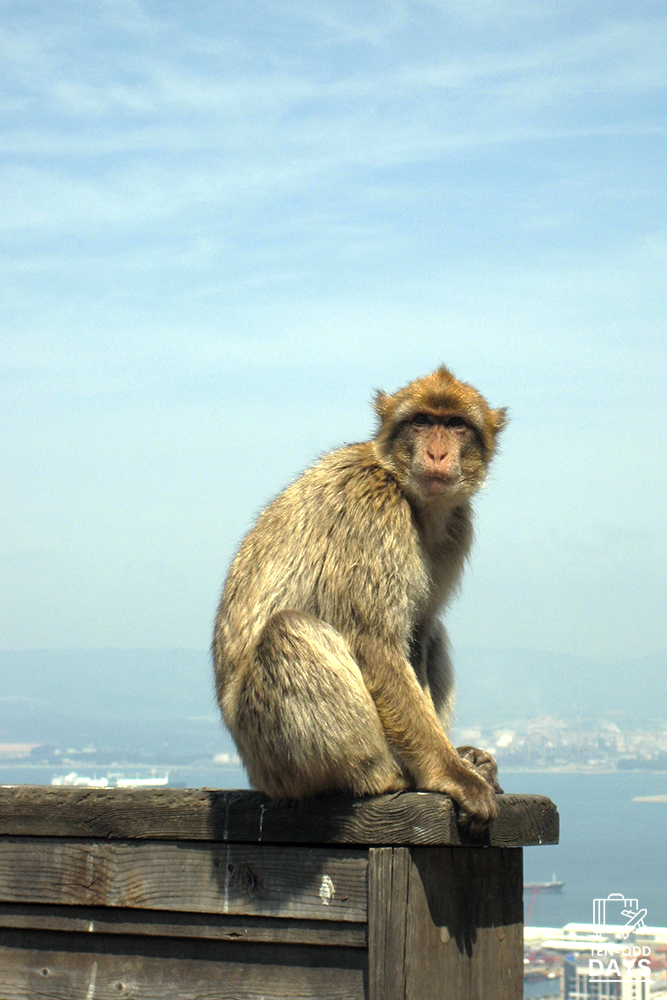
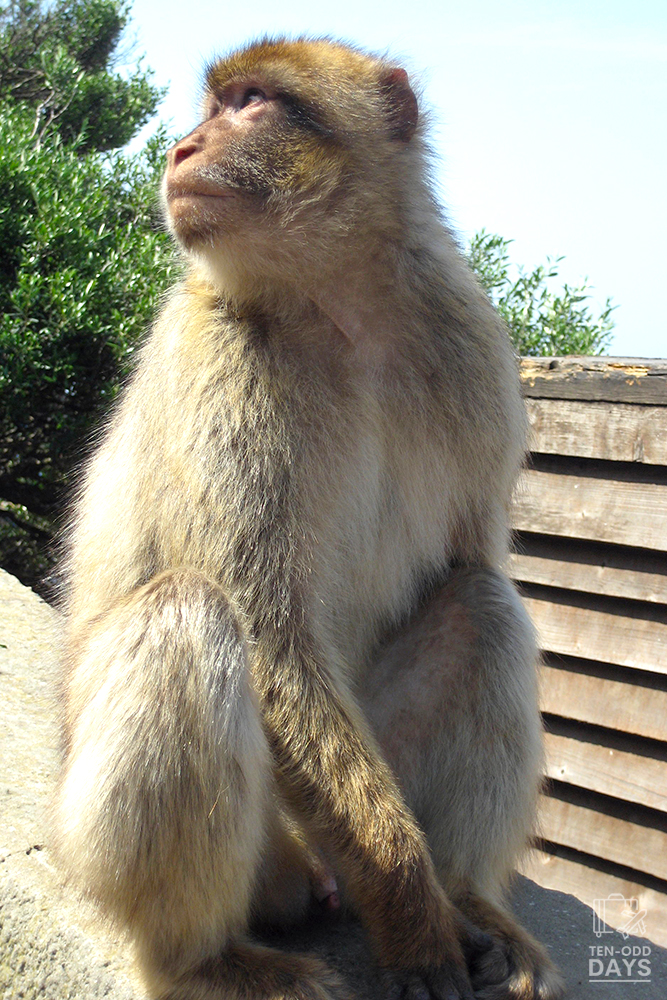
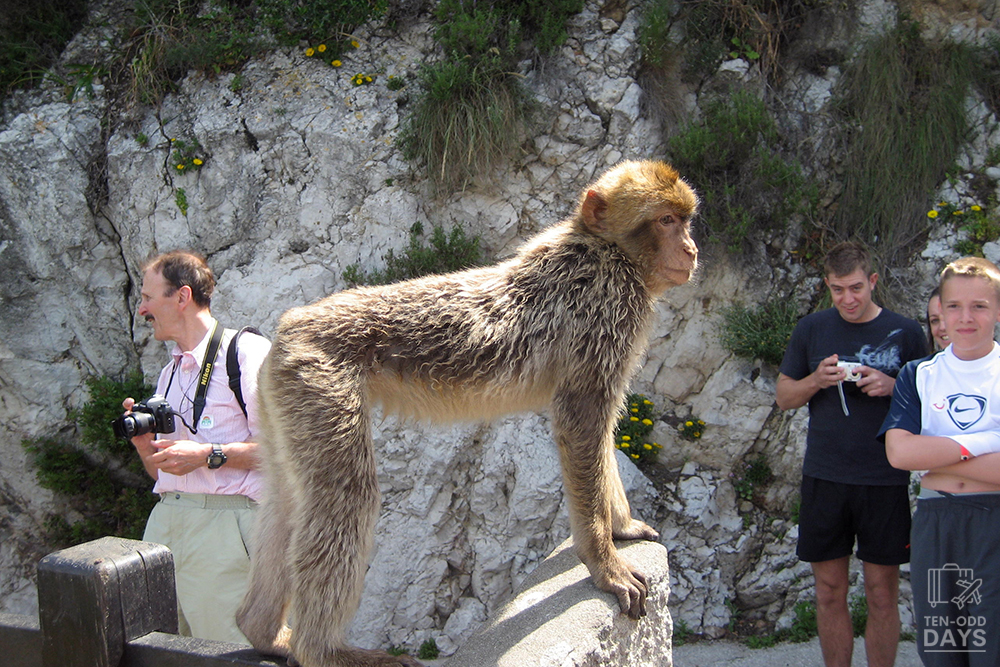
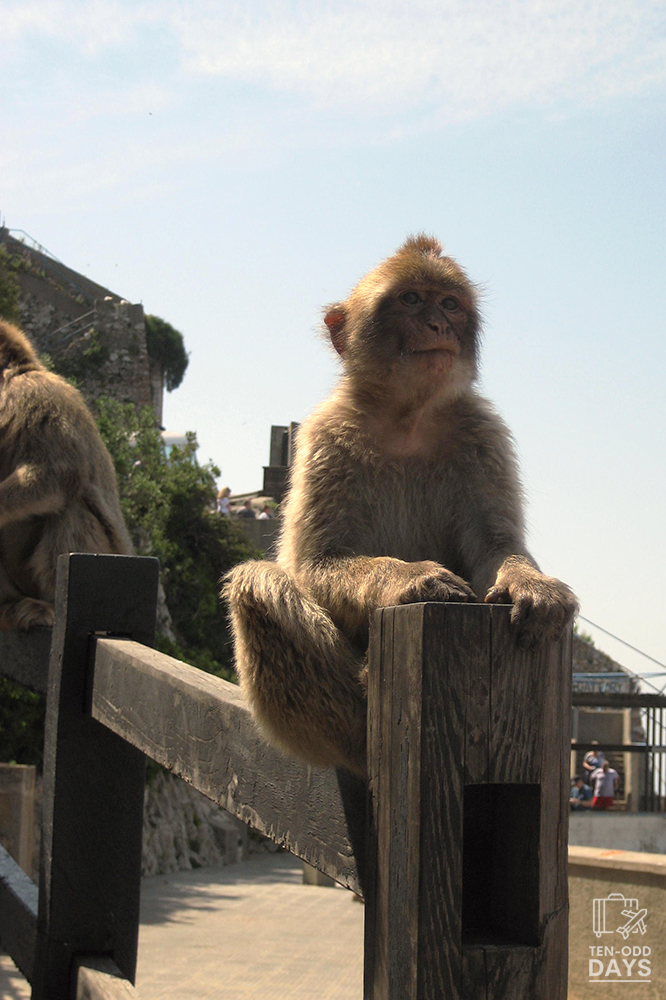
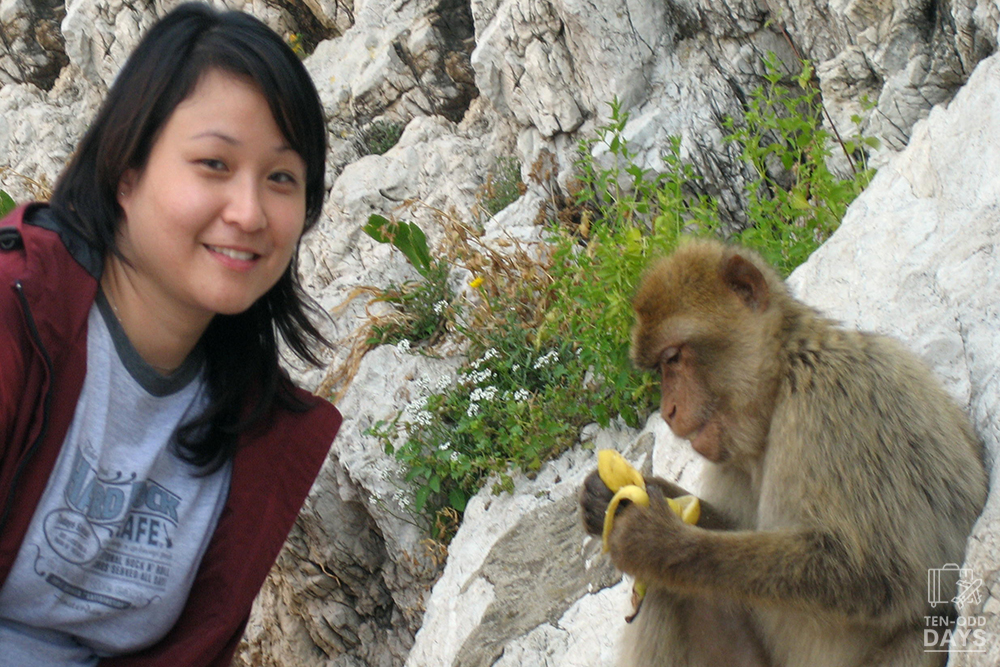
Barbary Macaques are native to Gibraltar, and are mostly seen on the Upper Rock. They appear to be tail-less, thanks to evolution, which has deemed tails to be useless to them over the centuries. The sightseeing bus stopped at a site at the Upper Rock so we could come up close and personal with the primates. I even attempted to pose near one to take a picture together, but I have to admit that I chickened out and daren’t go too near. The macaques are wild, after all.

You can see part of the runway in the background of the picture above. It continues to baffle me how Gibraltar operates with a main street running across their only runway. Fascinated, even.

After spending half a day exploring and understanding Gibraltar, we left for lunch before heading for Seville, capital of Andalusia.

The Pink Palace Alhambra

We spent the night away in a very large room. There were a total of 4 doubler-decker bunk beds for the both of us, and the huge space really unsettled me. I most likely didn’t sleep the whole night because it just felt… strange. The mister felt the same way but we both unilaterally but unanimously decided to keep it to ourselves until we left the hotel the next morning. Suffice it to say that we were both mighty glad when we got to leave the room for good.

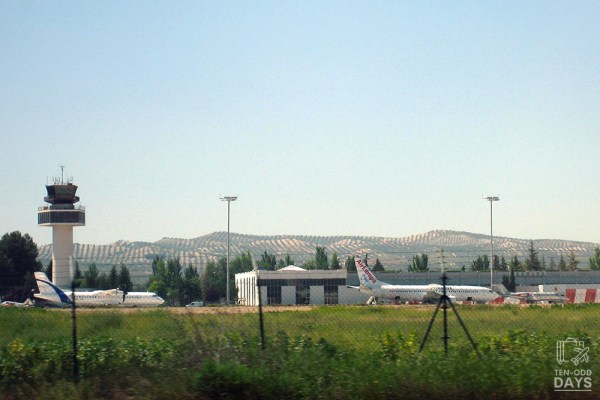
After breakfast, we were hanging around outside waiting to board the coach and that was when we were rather surprised to learn that hotel in the outskirts of Granada is located just across from where Granada National Airport is! Not very certain here, but I’m guessing that this airport serves only domestic flights and probably doesn’t operate at night since we were not bothered by landing or departing aircraft the night before.

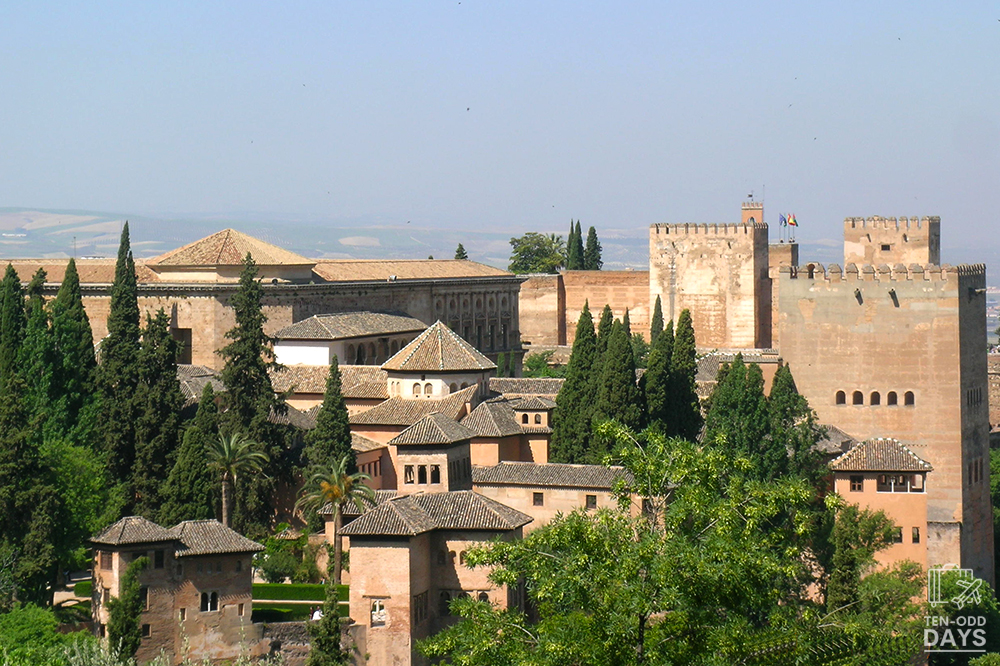
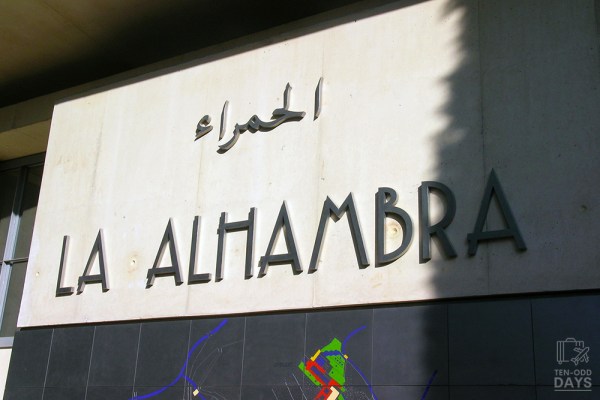
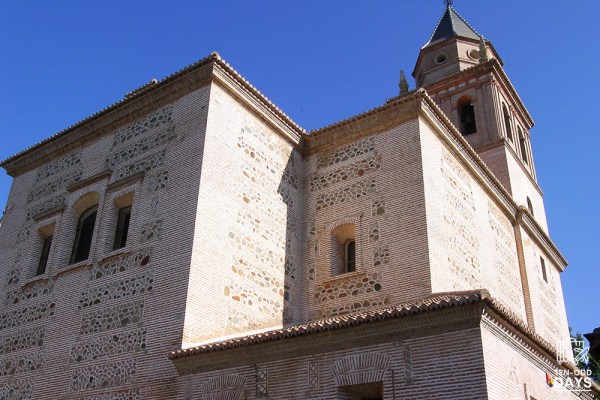
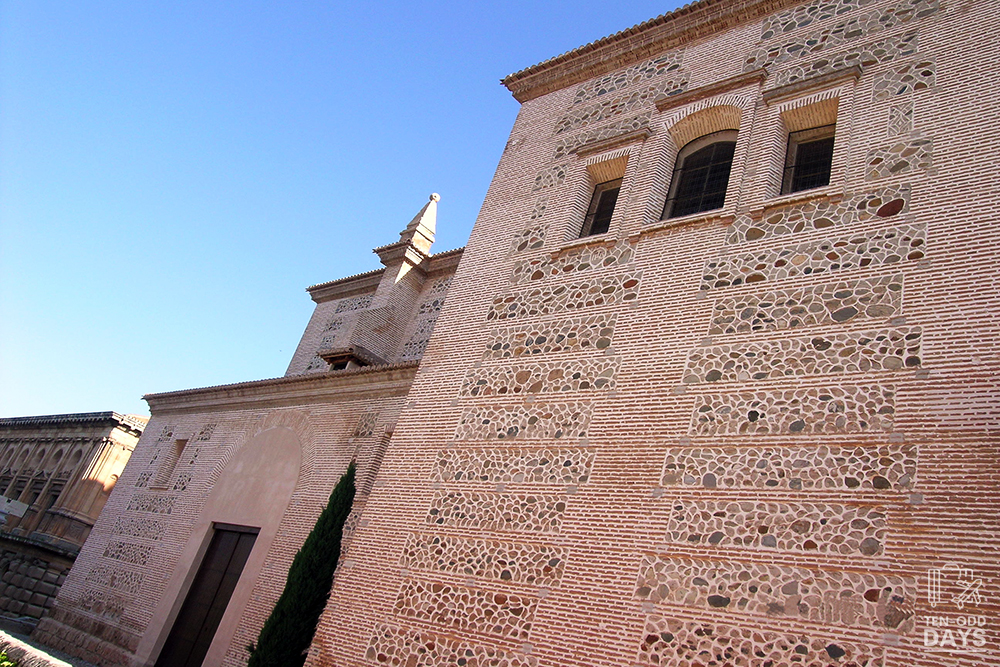
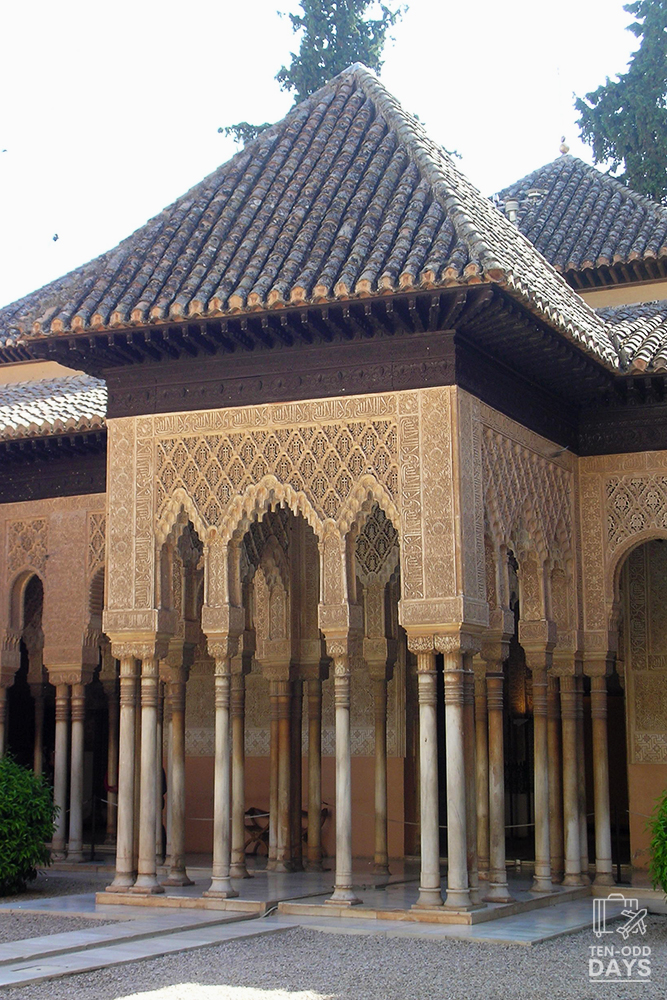
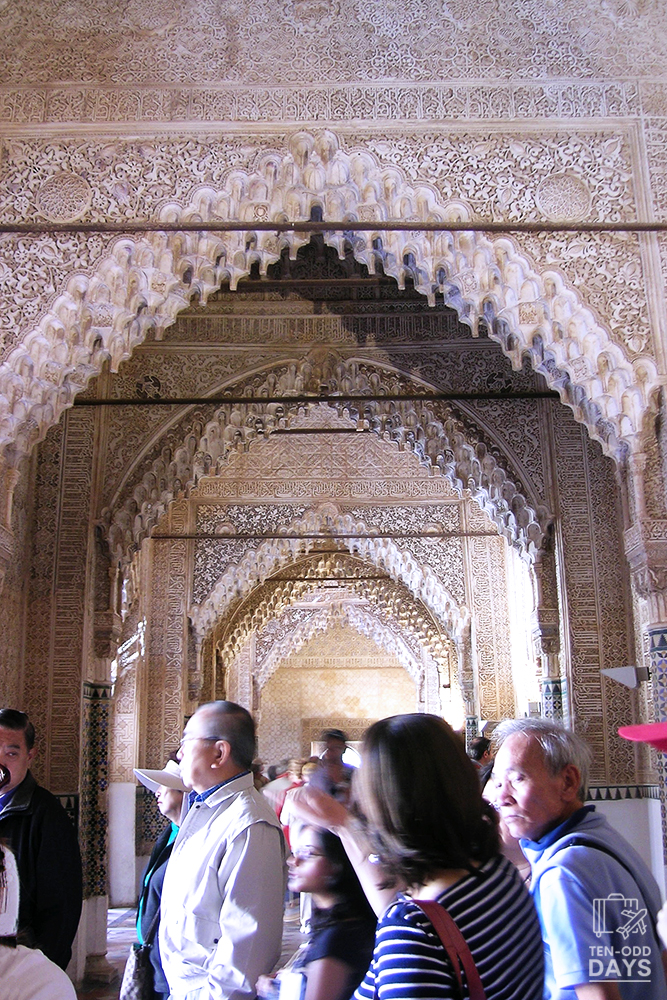
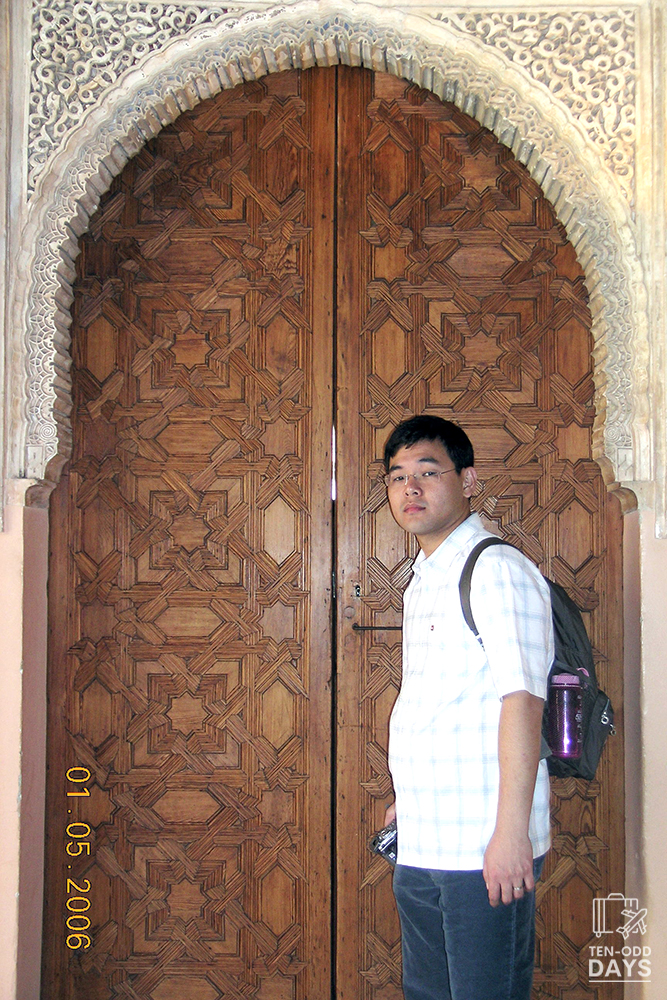
And the day has finally arrived! We are finally visiting La Alhambra, the location I consider to be my personal highlight of this trip. While this palace and fortress complex is perhaps not as well-known as Sagrada Familia the iconic landmark of Spain, it can most certainly hold its own with its colourful history, evident from being the second most visited tourist attraction of the country.

A cursory check on Alhambra’s official ticketing website gives one an idea of how massive the palace grounds are. Apart from the palace itself, there are massive gardens and museums for both day and evening admissions. And since queues for both ticket-buying and entering are equally long, an intended visit must be planned in advance. This is really something I want to put out there for everyone including ourselves (we do want to explore Andalusia on our own again, one day) to consider since it’s easy to think that this seemingly lesser known attraction will be less crowded.

Another bright and sunny day.

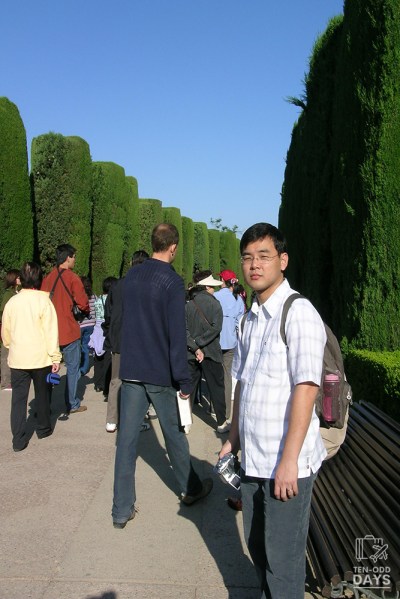
Yup. Crowded. I think it wasn’t that difficult to conclude. And this was just at the entrance. We were hoping that the crowd dispersed in the sparse palace grounds. We were fortunate that it really did.

We walked quickly through the gardens to keep in pace with our guide through the grounds, to get to Charles V Palace. Came by beautiful buildings along the way but we were running on a schedule trying to beat the crowd so…

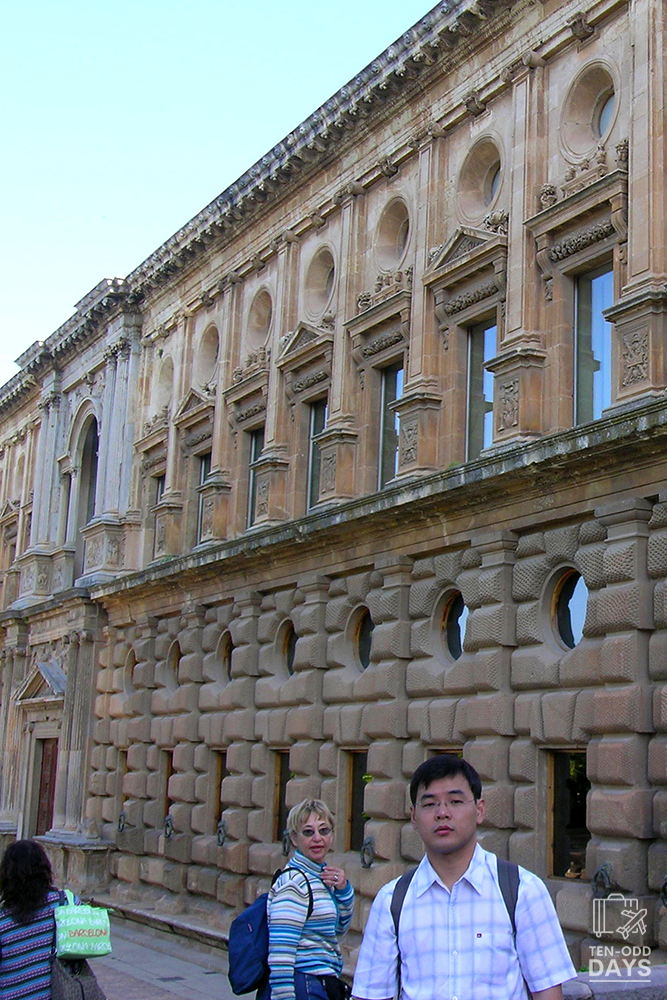
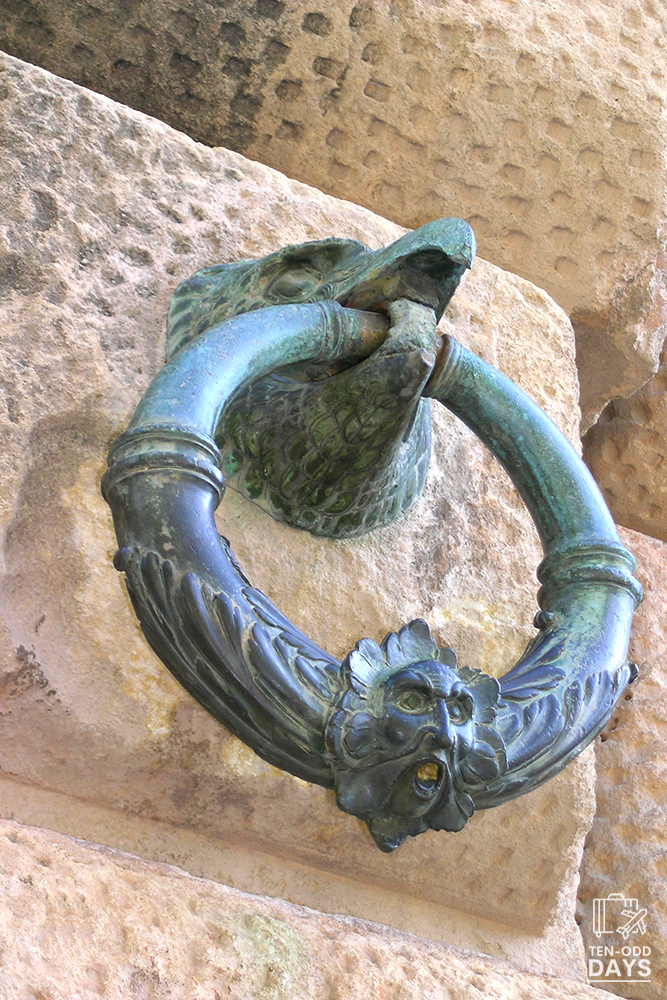
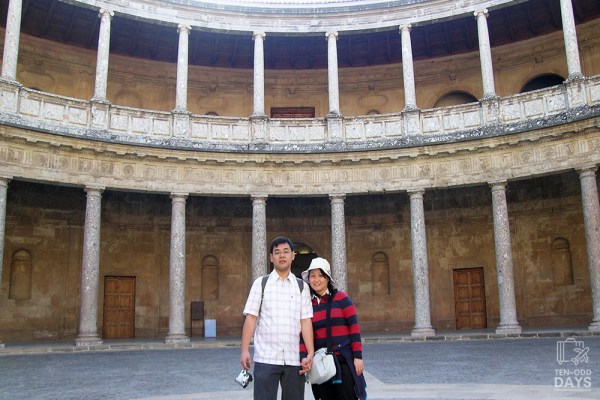
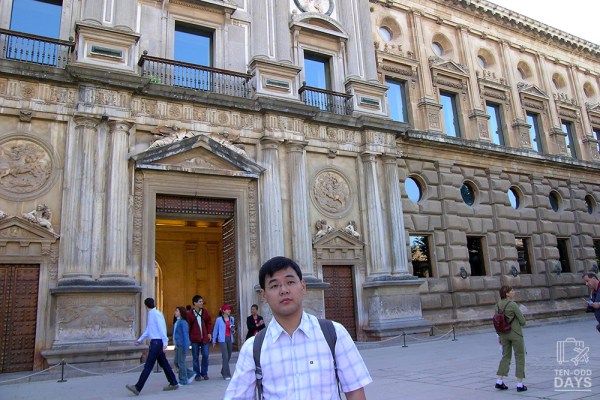
Charles V Palace (Spanish: Palacio de Carlos V), possibly one of the most unique structures within the compound of La Alhambra, was ordered to be constructed by Charles V, the Holy Roman Emperor from 1500-1558. While some of the rooms within the palace had been converted by Catholic Monarchs after the conquest of Granada in 1492, Charles V wished to have a permanent residence befitting his status to be built near the Alhambra palaces.

Taking a picture within Charles V Palace.

This building is of relative importance in Spain due to the Renaissance style although it met with multiple difficulties and construction was only completed in 1952, more than four centuries after works commenced in 1527. Standing within the unique circular two-storey patio almost made me feel like I was in a bullring. Totally unrelated to the structure itself but considering that I was in Spain after all, I didn’t feel too bad about this gross misunderstanding.

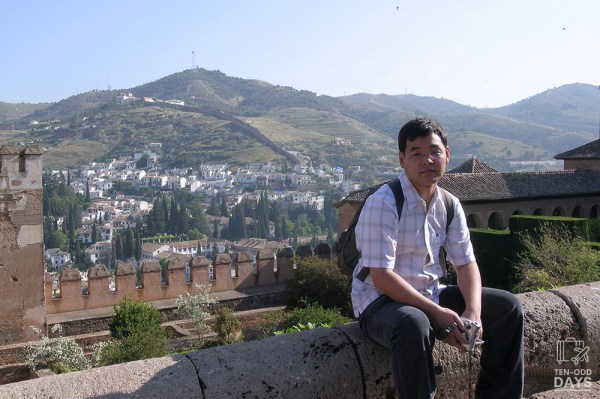
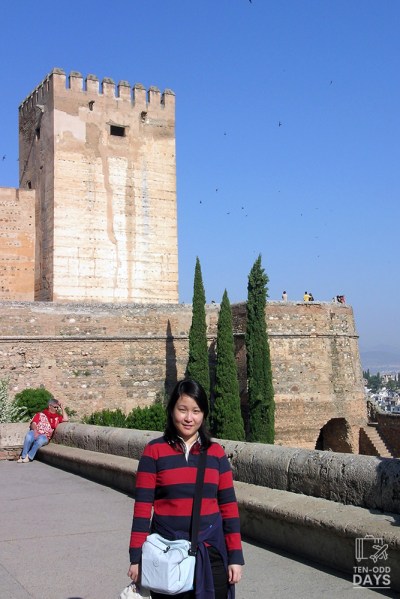
From Charles V Palace, we proceeded to the fortress of Alcazaba, one of the oldest part of Alhambra. Built in the 13th century, the Alcazaba had had a colourful history: when the palaces were completed, the Moors used this fortress for military purposes. Later on when the Christians took over, they transformed it into the state prison. Like many other parts of Alhambra, it was neglected, fell into disrepair and was forgotten until the late 19th century when restorative works commenced.

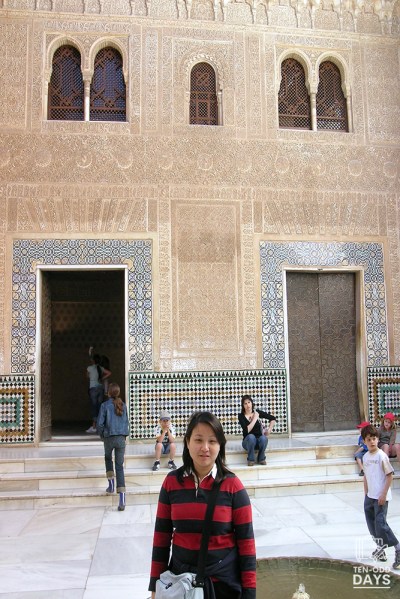
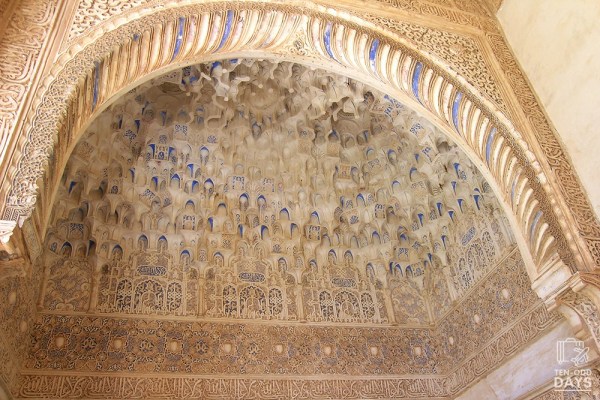
Patio of the Gilded Room, between the Mexuar and the Gilded Room,
became a meeting place for everyone.
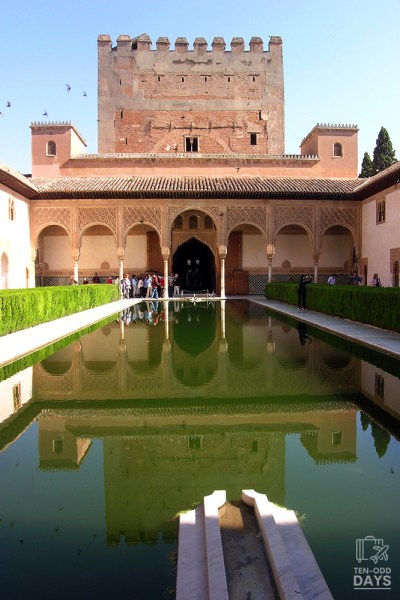
Court of the Myrtles.
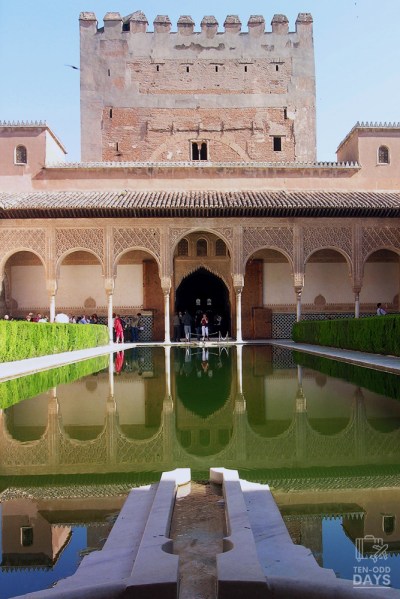
A closer view.

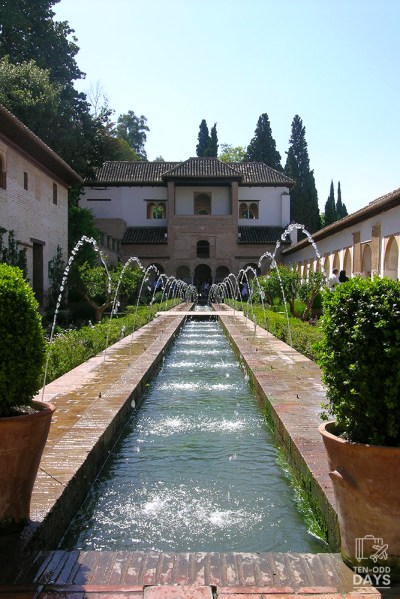
Throughout history, Court of the Myrtles (Spanish: Patio de los Arrayanes) was given various names but the current name came about because of the myrtle bushes surrounding the central pool. At 31 metres long and slightly over 7 metres wide, this pond has somewhat become an iconic spot whereby every visitor to Alhambra tries to photograph (the queue to get into the vantage spot was long). It’s easy to see why – the green pool acted as a mirror, reflecting the surrounding buildings and structures.

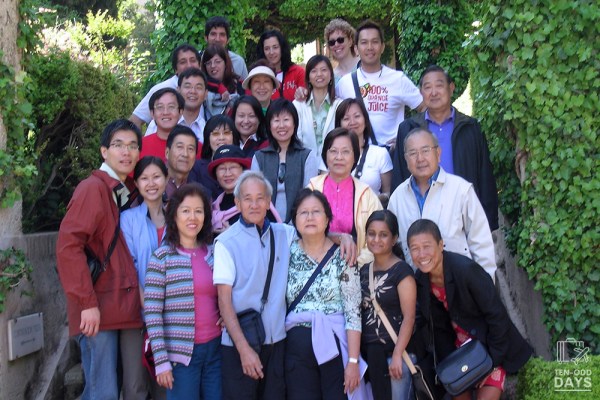
A precious group photo of the group of people we travelled with.
Generalife, the most beautiful part of the grounds, in my opinion.

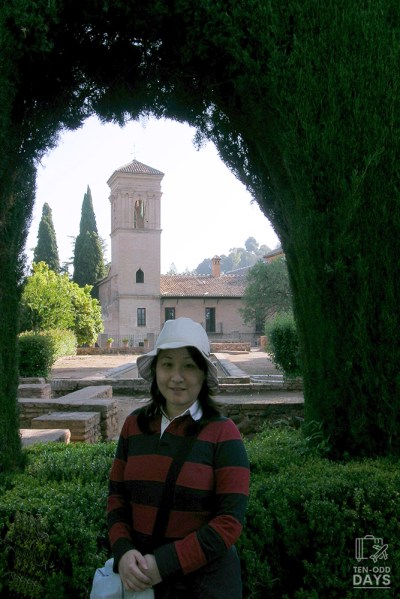
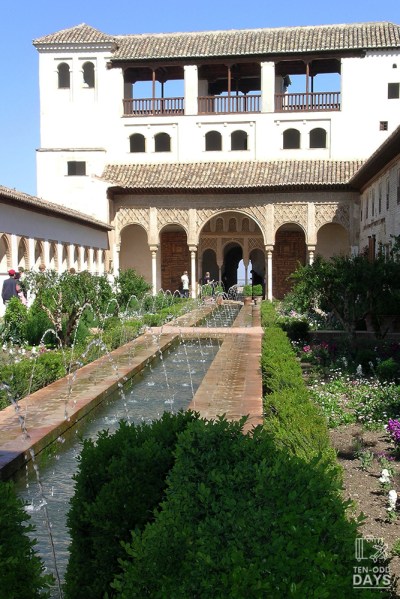
You could say that our guide saved the best for last. The Generalife (Spanish: Palacio de Generalife) we see today is nothing like what it looked like before, since it was altered and rebuilt multiples times throughout history since the 13th century. Composed of several beautiful, large gardens, the quarters became a retreat for Kings of Granada who wanted to get away from the mundane-ness of their duties. In contrast to the more opulent architecture of other buildings in the area, buildings of Generalife are plain and simple. Here, the floral and water take centrestage.

While walking in Generalife, I get it why this place was chosen as the place to get away from it all. With the greenery and sounds of water trickling, I felt calm and at peace despite the heat. Kinda makes me wonder how this place looks like at night. From pictures online, La Alhambra is breathtaking at night.

To Granada, the Moorish Jewel of Spain

It was a long drive westward to Granada and that necessitated an early morning departure from Valencia, with an intermediate stop at the cathedral town of Guadix along the way.

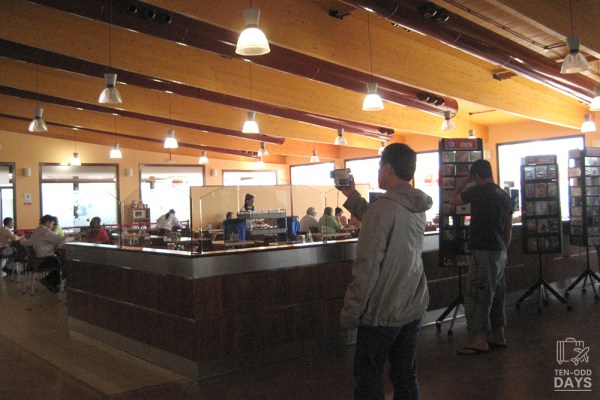
Another pit-stop for toilet break.
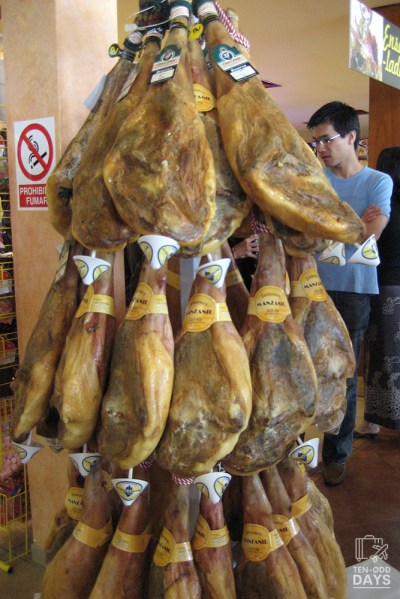
Legs of Spanish Iberian ham. Apparently very expensive but from memory, these weren’t.

Such run-of-the-mill pit stops are now a common occurrence each time we journey on to our next destination along the southern coast. What makes this one particularly interesting were these legs of ham we spotted hanging from a pole, the first of its kind we came across. I would go as far to admit that I did not particularly appreciate the smell (not really a fan of cured meat and pork) but hey it was a rather strange sight to us, and we all gravitated closer to have a look. Someone in our group actually contemplated bringing a leg home!

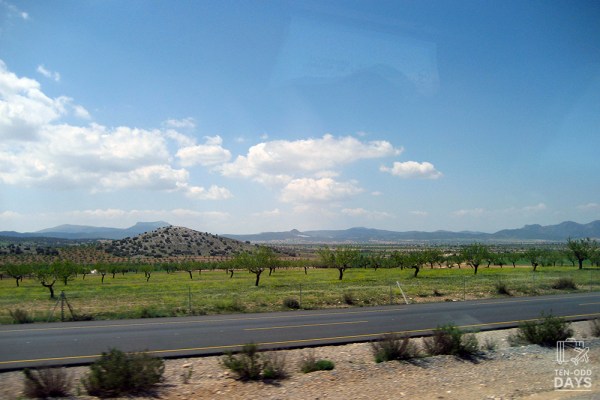
Beautiful landscape of Andalusia.

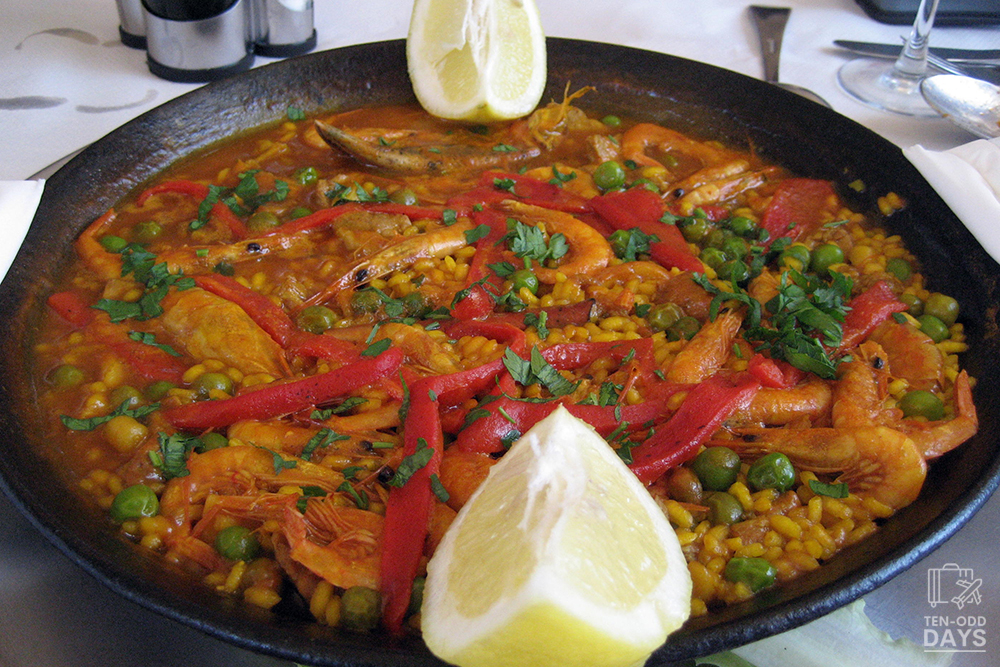
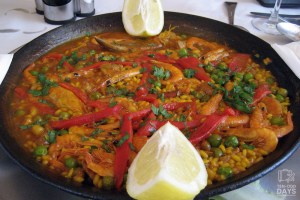
Before we arrived at Guadix, we made a lunch stop and had the most awesome and satisfying meal of the trip. I was totally blown away by the seafood paella. Indeed, no one else does seafood paella as well as the Spanish do. Not even Spanish restaurants in Singapore, unfortunately.

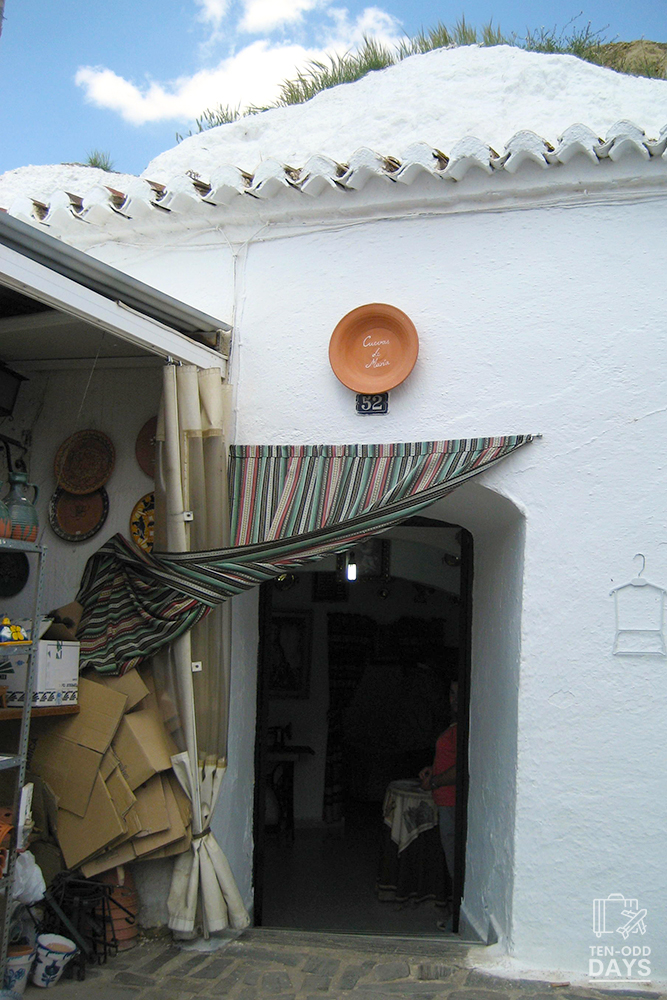
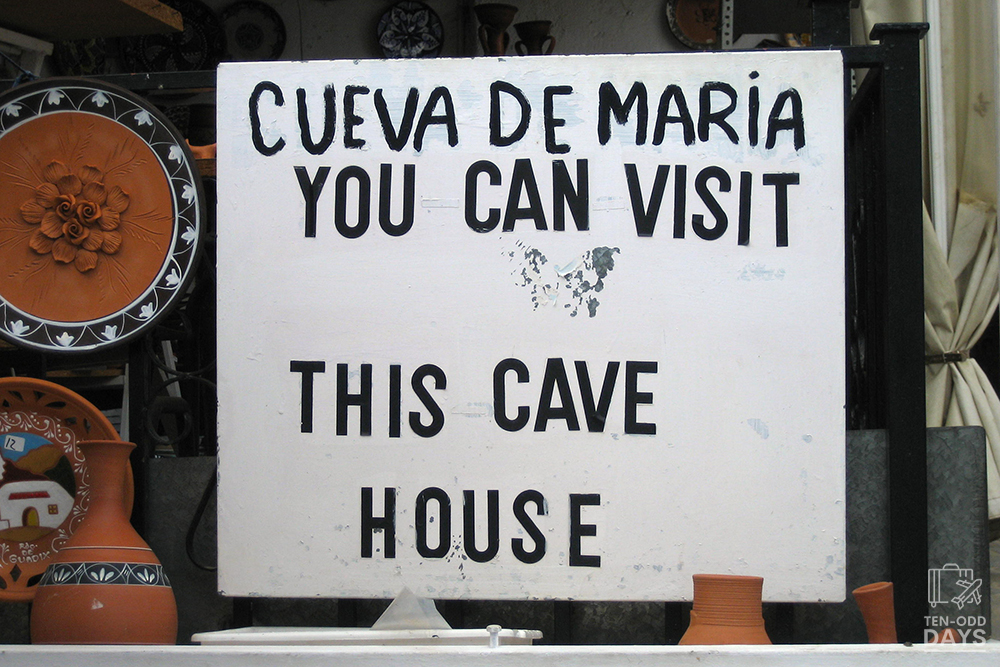
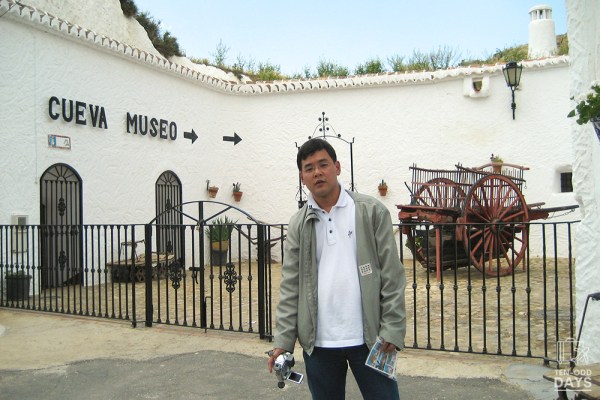
Now, Guadix is one curious town, being one of the oldest human settlements in Spain dating all the way back to the Stone Age. While it lies at an elevation of over 900 metres, most of its inhabitants live underground in cave houses. This is because in general, Andalusians are rather fond of living underground as a means to escape the summer heat, given the semi-arid climate of the region. They are also very proud of their unique dwellings, as we found out while walking round the town: we came across several signs inviting us to view their cave houses if we so wished to. We eventually did take up an offer, curious to experience how cooling these cave houses actually are.

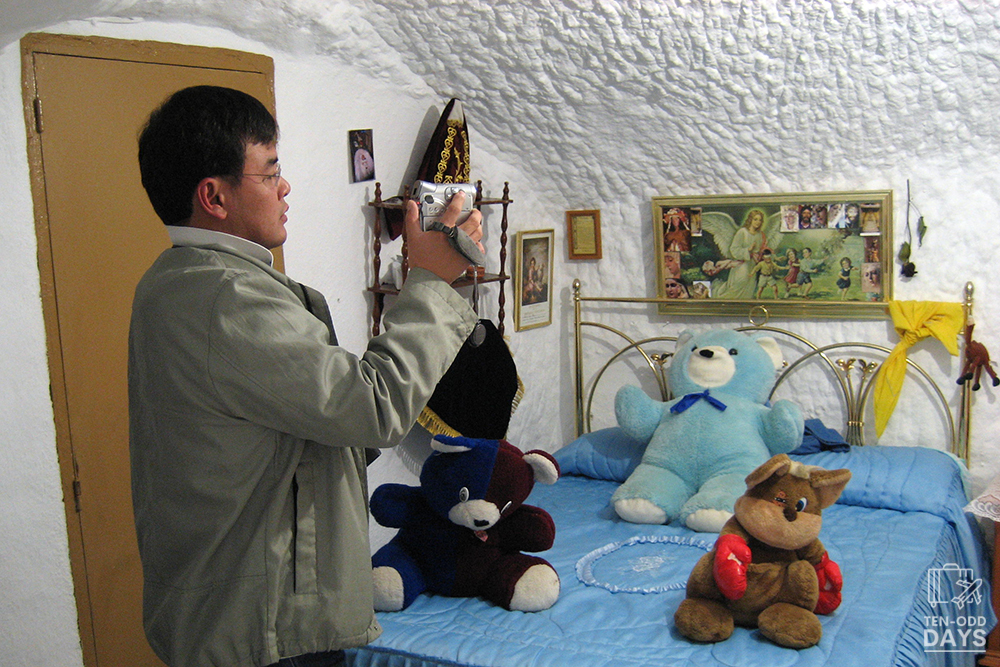
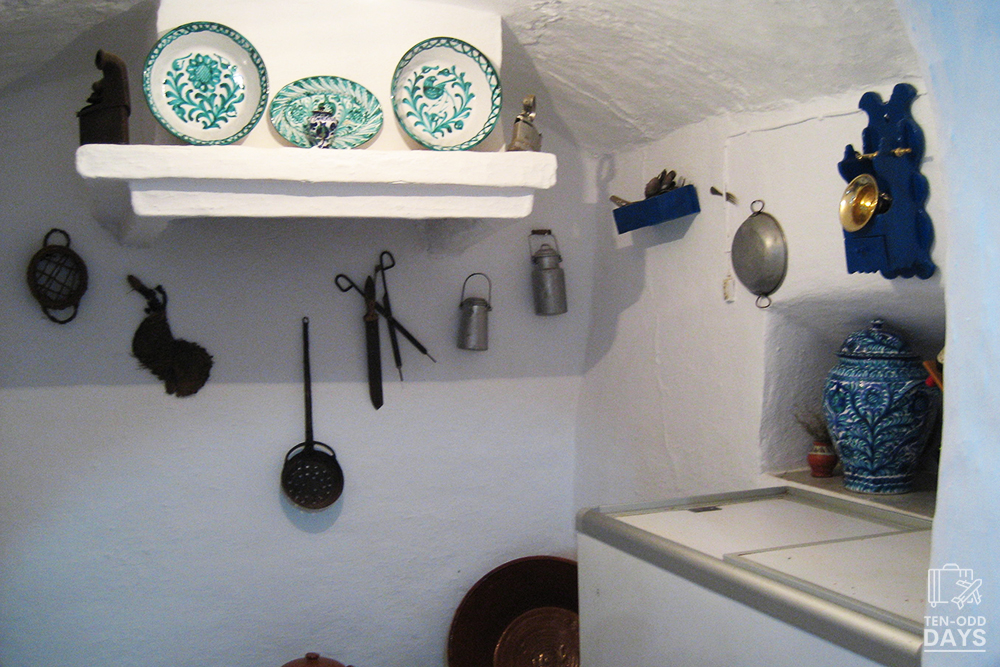
In spite of the scorching heat outside, I was taken by surprise at how the ambient temperature dropped so significantly the moment we stepped into the cave house. There was no air-conditioning or fan whatsoever but wow, it felt like the temperature dropped by 10 degree Celsius instantly. The wisdom of our ancestors simply never fails to amaze me.

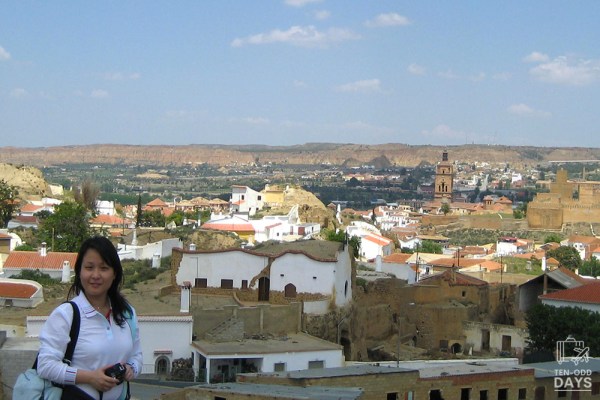
Cathedral of the Incarnation in the background.

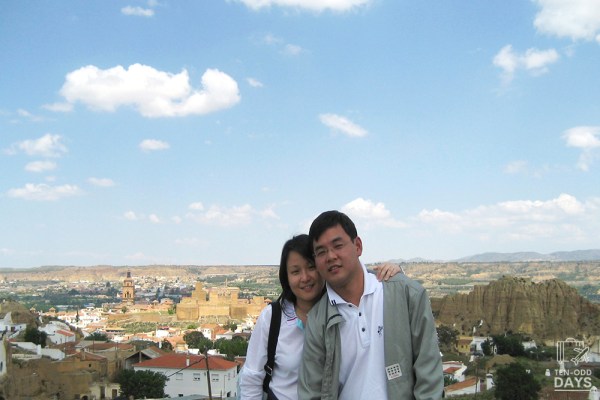
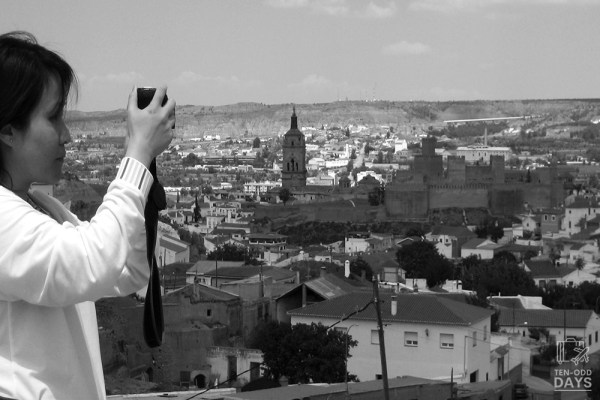
We climbed to the top of the hill for a panoramic of the town ancient town and its surroundings. Beautiful day it was, and we were somehow shaded by some clouds overhead, making the short respite atop the hill more bearable as we enjoyed the view that went as far as the mountain ranges of Andalusia. And from where we stood, the Guadix Cathedral (also know as Cathedral of the Incarnation) was a striking presence and I would have loved for the opportunity to visit. Suffice it to say that we didn’t manage to on this particular trip.

Rare pic of me in full concentration trying to take a panoramic shot.
Didn’t quite work out…

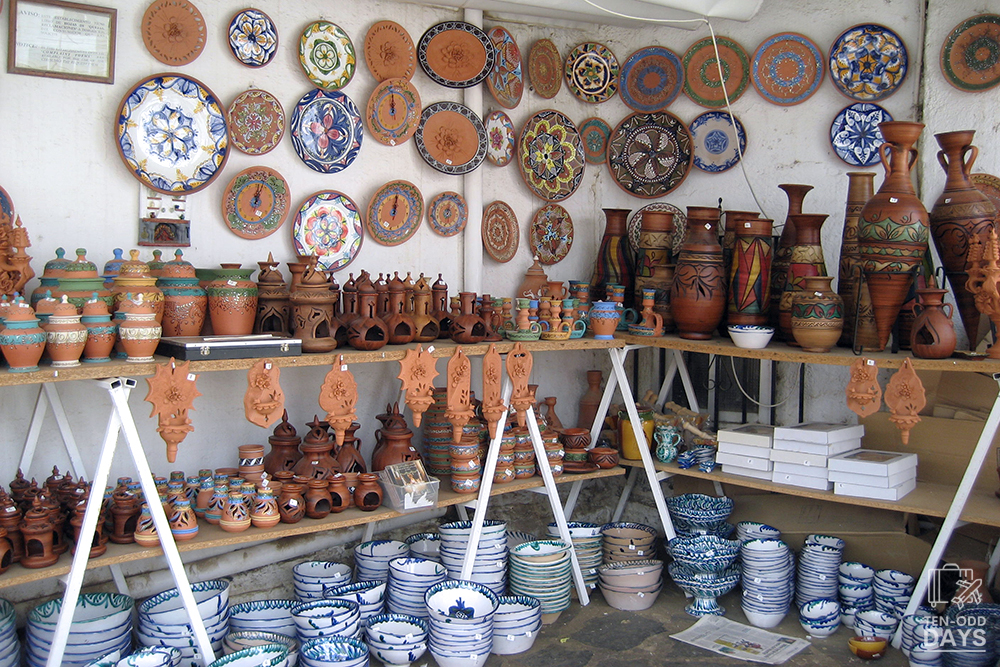
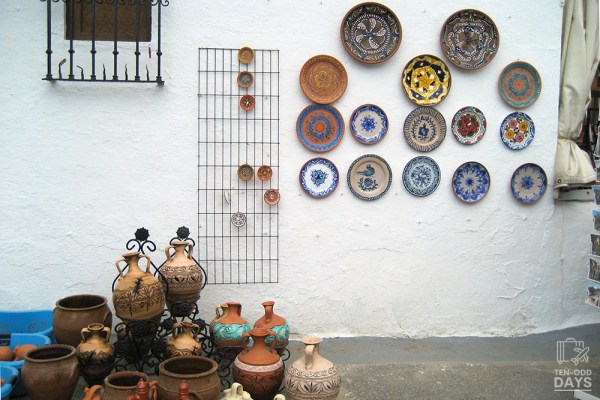
Guadix started out with producing quality cutlery but over the years the focus had shifted to mostly handcrafted earthenware, which was evident everywhere at every corner we turned. 

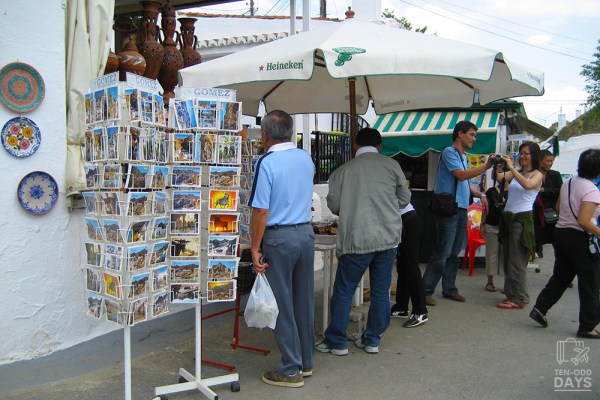
It’s quite clear earthenware wasn’t actually our cup of tea; we were really more of the fridge-magnet-and-postcards kind of tourists and were happy to stop by the store at the corner of the street where our coach was parked nearby. Seemed like we were definitely travelling with like-minded group mates, judging from the picture above. ๐Ÿ™‚


And finally, we were on our way to Granada, which was definitely one of the highlights of our itinerary. After all, Granada isn’t known as the Moorish jewel of Spain for nothing, primarily for its strong Moorish influence in its buildings and streets culminating in the impressive Alhambra Palace. Our first place though, wasn’t the palace but the viewpoint Mirador de San Nicolas, located next to the Church of San Nicolas. Even since Bill Clinton the ex-US president visited this viewpoint in 1997, it has become the must-visit viewpoint for every visitor to Granada although that is not to say that the other viewpoints offer less superior views. For the record, Mirador de San Miguel also offers a splendid view of this beautiful city.